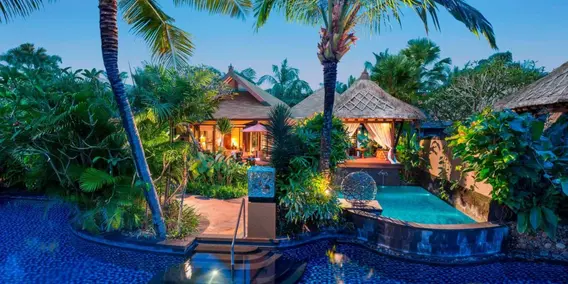
Best Tropical Honeymoon Suites in the US: Premier Island Analysis
Evaluating high-end tropical accommodations within domestic territories requires an analysis of coastal microclimates, architectural envelope performance, and land-use density. Commercial travel literature relies heavily on broad descriptors such as pristine paradise, oceanfront sanctuary, or secluded haven to promote coastal keys. These commercial terms frequently conceal structural deficits. Properties often feature narrow lot footprints, direct sightlines from public beaches, or intrusive foot traffic from adjacent resort facilities. Genuine tropical luxury relies on engineered passive ventilation, expansive buffer zones between suites, unobstructed marine sightlines, and resilient structural frames that withstand marine environments.
The domestic tropical landscape spans several geographic zones, including the Hawaiian Archipelago, the Florida Keys, Puerto Rico, and the U.S. Virgin Islands. Each region presents distinct microclimates, building codes, and operational constraints. Strict coastal zone management regulations limit new construction along fragile shorelines. Consequently, existing properties operate within strict supply boundaries. This limited inventory drives rate spikes during peak winter and spring travel windows, making detailed site evaluations essential for high-end travel planning.
This reference outlines a methodology for auditing and selecting premier tropical accommodations. Analyzing land density, floorplan layouts, windward exposure, and fee structures reveals critical operational trade-offs. The following sections provide a structured approach to assessing luxury suites across domestic tropical destinations. This analytical framework ensures allocated capital secures genuine privacy, thermal comfort, and high-quality coastal access.
Understanding “Best Tropical Honeymoon Suites in the US”
Deconstructing Commercial Terminology
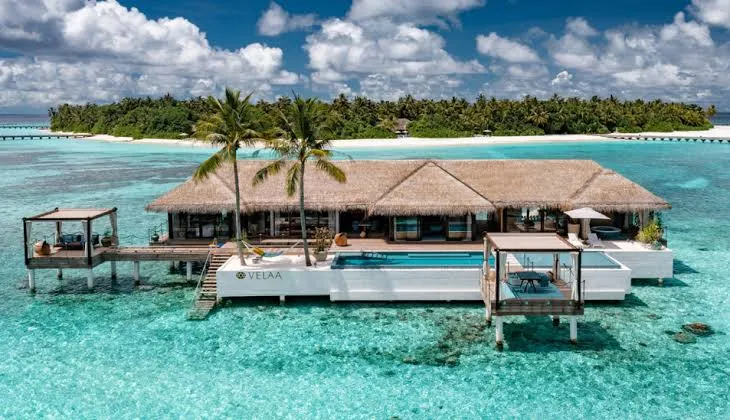
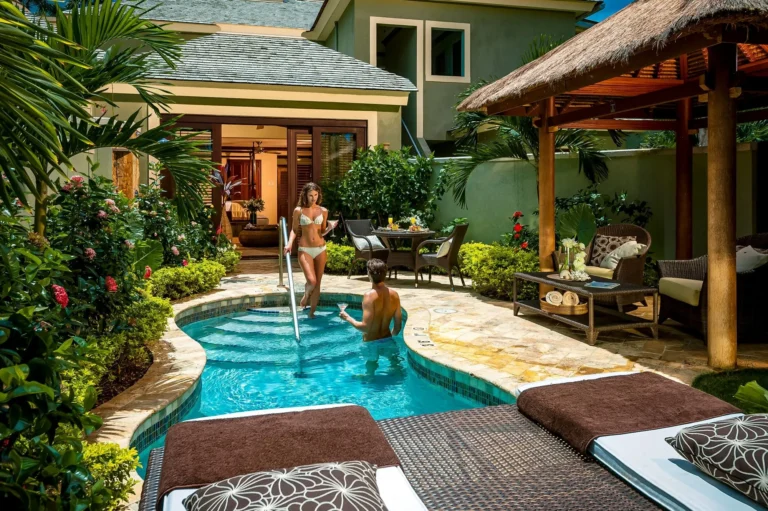
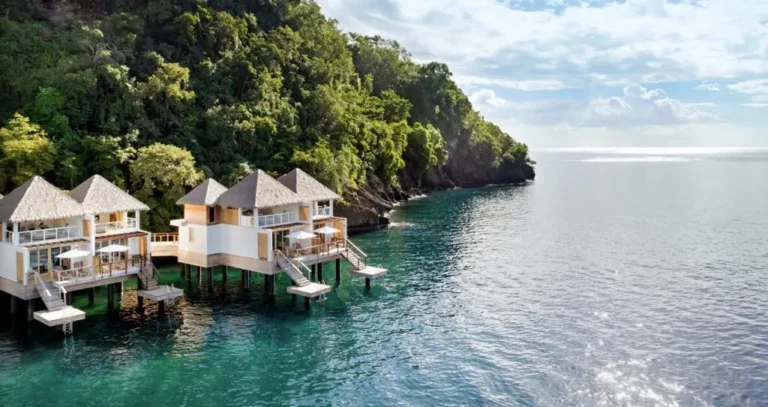
Evaluating the best tropical honeymoon suites in the us requires separating promotional claims from spatial and structural realities. Resort operators use phrases like private ocean casita, beachfront haven, coastal pavilion, and overwater suite interchangeably across marketing platforms.
Subheading: Structural Site Verification
Evaluating high-tier tropical accommodations requires checking four essential spatial layers before finalizing reservations.
Securing top-tier inventory requires auditing coastal setback maps, dune elevations, public beach access easements, and building envelope orientations.
Deep Contextual Background
Evolution of Domestic Tropical Resorts
Luxury tropical hospitality across domestic territories has changed significantly over the past century. Early mid-century properties relied on heavy masonry and centralized hotel blocks situated directly along shoreline edges.
Environmental Regulations and Constraints
Strict environmental legislation, including state coastal zone management policies and federal wetlands protections, limits new resort development along sensitive shorelines. As a result, long-established properties hold an operational monopoly on prime oceanfront locations.
Limited room inventory combined with consistent leisure demand has altered resort economics. Property managers unbundle amenities while using dynamic algorithms to maximize room yields during peak travel seasons. Travelers must evaluate suite positioning carefully to ensure paid tariffs align with physical space quality.
Conceptual Frameworks and Mental Models
Subheading: Analytical Models for Coastal Suites
1. The Passive Ventilation Index (PVI)
This model measures suite comfort by calculating the ratio of operable exterior louver openings to total wall area along prevailing trade wind vectors.
2. The Coastal Privacy Buffer Ratio
This framework evaluates guest isolation by measuring the distance between private terraces and public beach access corridors.
3. The Salt-Air Resilience Matrix
This model assesses structural envelope performance by evaluating building material resistance to salt spray and high humidity.
Key Categories or Variations
Regional Tropical Profiles
Examining domestic tropical regions reveals clear differences in building architecture, weather risks, and seasonal demand patterns across premier suites.
| Regional Category | Primary Spatial Advantage | Operational Trade-Offs | Peak Demand Window |
| Hawaiian Windward Villas | Dramatic volcanic backdrops, steady trade winds | High travel transit times, strict beach access rules | December to April; June to August |
| Florida Keys Overwater Keys | Direct water access, calm marine views | Shallow water levels, seasonal storm vulnerability | January to April |
| Puerto Rico Rainforest Estates | Dense tropical flora, mountain elevation options | High humidity levels, elevated rainfall volume | December to April |
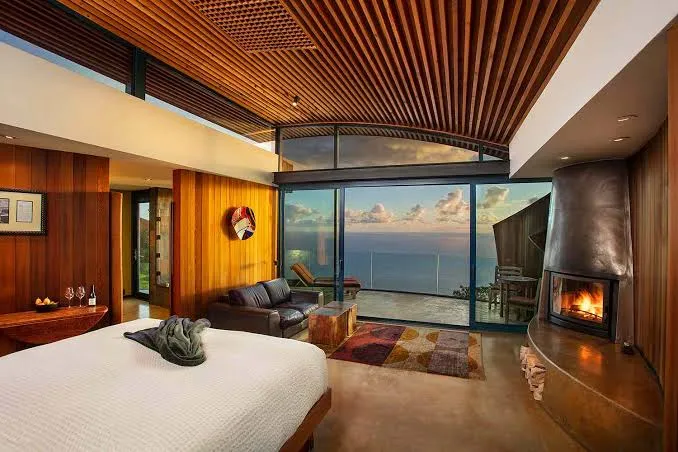
| USVI Cliffside Havens | Elevated ocean views, secluded coves | Steeper topography, complex site access | December to April |
| Hawaiian Leeward Suites | Dry weather conditions, calm ocean waters | Higher resort density, hotter afternoon sun | Year-round demand |
Detailed Real-World Scenarios
Subheading: Scenario Analysis for Island Properties
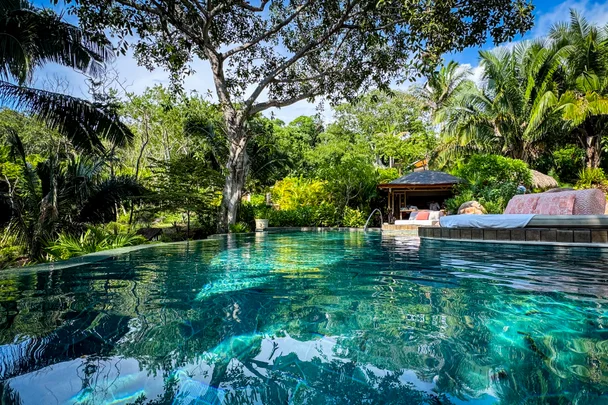
Scenario A: The Hawaiian Windward Villa
A couple reserves an oceanfront villa on Kauai for seven nights in January.
Environmental Context
Winter brings strong trade winds, large ocean swells, and intermittent rainfall across windward exposures.
Financial Decisions and Pitfalls
The guests booked a villa listed at $3,500 per night ($24,500 base total). They assumed the location provided calm swimming conditions directly in front of the terrace.
Operational Impacts
High winter swells created heavy surf noise and red-flag conditions, preventing ocean swimming along the villa shoreline.
Budget Adjustments
Future bookings during winter months require verifying sheltered bay access and checking ocean condition reports.
Scenario B: The Florida Keys Water Villa
A couple books an overwater bungalow in the Florida Keys for five nights in March.
Environmental Context
Spring brings mild temperatures, calm sea conditions, low rainfall, and steady ocean breezes.
Financial Decisions and Pitfalls
The travelers reserved a bungalow at $2,900 per night ($14,500 base total). They expected total visual isolation from watercraft traffic.
Operational Impacts
Shallow bay depths allowed recreational boaters and paddleboarders to pass near the terrace, reducing private outdoor space usability.
Budget Adjustments
Travelers seeking absolute isolation should confirm water corridor restrictions around coastal suites.
Planning, Cost, and Resource Dynamics
Capital Allocation Structure
Budgeting for the best tropical honeymoon suites in the us requires accounting for base tariffs, mandatory resort fees, utility charges, and private transit costs.
Cost Category Breakdown
| Expense Category | Typical Cost Share (%) | Average Price Multipliers | Operational Value Drivers |
| Base Suite Rate | 55% – 65% of budget | 1.0x baseline metric | Direct ocean sightline, private plunge pool |
| Mandatory Fees | 15% – 20% of base rate | 1.15x – 1.20x base rate | Resort operational fees, coastal preservation charges |
| Utilities & Heating | 10% – 15% of budget | 1.10x – 1.15x service | Pool heating, continuous air-conditioning power |
| Private Transit | 10% – 15% of budget | 1.10x – 1.15x transit | Helicopter transfers, private boat charters |
Tools, Strategies, and Support Systems
Property Audit Steps
Travelers can apply systematic verification steps to evaluate tropical accommodations before confirming bookings.
Subheading: Actionable Verification Steps
-
Audit Coastal Site Plans: Confirm the suite faces open ocean water rather than public beach thoroughfares or internal paths.
-
Analyze Trade Wind Vectors: Check terrace orientation to ensure natural airflow without exposure to heavy storm winds.
-
Calculate Total Surcharges: Add daily resort charges, parking fees, and local occupancy taxes to base nightly rates.
-
Use Luxury Hotel Networks: Book through established travel programs to secure room upgrades, breakfast inclusions, and property credits.
-
Verify Transit Requirements: Arrange private island transfers early, as local car rentals and taxi fleets remain limited during peak seasons.
Risk Landscape and Failure Modes
Taxonomy of Tropical Property Risks
Failing to audit suite location, weather patterns, and fee structures can lead to privacy loss, high noise levels, and unplanned expenses.
Governance, Maintenance, and Long-Term Adaptation
Subheading: Managing Inventory Timeline Constraints
Booking Timing and Availability
Top tropical accommodations operate with limited inventories, often offering under twenty standalone villas per property. High-demand winter dates sell out months ahead.
Reviewing rates six to nine months before departure helps secure primary oceanfront placements before dynamic pricing algorithms raise tariffs.
Subheading: Pre-Booking Check Requirements
Pre-Booking Checklist
Review these critical verification points before finalizing reservations for high-end tropical accommodations.
-
Confirm the suite offers unobstructed ocean views protected from public sightlines.
-
Verify the terrace configuration provides adequate shade during afternoon hours.
-
Calculate total nightly expenses including resort fees, taxes, and parking surcharges.
-
Confirm plunge pool heating policies and private cabana access rules.
-
Secure private transportation arrangements for island transfers and excursions.
Measurement, Tracking, and Evaluation
Property Evaluation Metrics
Auditing tropical suites requires evaluating concrete room data alongside subjective comfort signals.
Applied Evaluation Scenarios
-
Example 1: Airflow Audit. A suite designed with windward louvers maintains comfortable interior conditions using natural trade winds.
-
Example 2: Surcharge Accounting. A $2,500 base rate carrying a 16% resort fee, $80 parking charge, and 13% tax yields a total daily cost of $3,305.
-
Example 3: Spatial Setback Verification. Positioning a villa one hundred feet behind a coastal dune buffer prevents public beach traffic from disrupting outdoor living areas.
Common Misconceptions and Oversimplifications
Subheading: Clarifying Tropical Travel Myths
Myth 1: Tropical Islands Experience Uniform Weather Year-Round
Windward island exposures experience higher rainfall and wind, whereas leeward zones offer drier, calmer weather conditions.
Myth 2: Beachfront Suites Always Guarantee Complete Privacy
Properties set close to public coastlines must maintain public access corridors, allowing foot traffic near outdoor decks.
Myth 3: All Island Resorts Offer Comprehensive All-Inclusive Packages
Most domestic luxury properties operate on European Plan terms, charging separately for meals, beverages, and recreational amenities.
Ethical, Practical, or Contextual Considerations
Environmental Stewardship and Coastal Conservation
Booking luxury tropical suites requires balancing personal travel preferences with environmental protection. Delicate coastal ecosystems face pressure from shoreline erosion, marine habitat degradation, and high water consumption.
Choosing resorts that utilize low-impact structural designs, solar energy systems, and advanced wastewater treatment helps protect fragile coastal zones. Supporting eco-conscious developments preserves natural island environments for long-term enjoyment.
Conclusion
Selecting the best tropical honeymoon suites in the us requires analyzing coastal orientation, floorplan privacy, and total fee structures rather than relying on promotional descriptions. Securing top-tier accommodations requires checking site plans, wind patterns, and local seasonal climate shifts prior to booking. Balancing base tariffs against mandatory fees and transportation costs ensures high visual isolation, thermal comfort, and overall travel value. Detailed planning transforms a coastal trip into an enjoyable, restful, and memorable vacation experience.