Top Romantic Cabin Suites America | Comprehensive Architecture & Site Audit
Evaluating luxury cabin accommodations across North American mountain and forest ecosystems requires an understanding of timber building envelope design, spatial setbacks, and regional weather dynamics. Marketing materials often rely on subjective phrases like rustic hideaway, secluded wilderness sanctuary, or romantic mountain escape to describe properties. These commercial descriptors frequently conceal structural limitations. Properties often feature high lot density, visible sightlines from adjacent structures, shared access roads, or heavy foot traffic near public trailheads. Genuine wilderness luxury depends on generous parcel acreage, acoustic insulation within walls, structural wind protection, and unblocked natural forest or ridge views.
Regional Environmental Variations
The domestic alpine and wilderness landscape includes distinct geographic regions, such as the Blue Ridge Mountains, the Pacific Northwest canopy, the Rocky Mountain high country, and the Northwoods lake basins. Each zone presents unique microclimates, structural challenges, and seasonal access limitations. Strict land conservation zoning limits building expansion across fragile wilderness areas. Consequently, premier properties operate within tight supply boundaries. This supply constraint drives rate spikes during temperate autumn foliage weeks and peak winter ski periods.
Scope of the Analytical Framework
This reference provides a practical framework for auditing, comparing, and reserving high-end cabin accommodations. Analyzing spatial density, floorplan layouts, thermal performance, and pricing structures reveals key decision factors. The following sections detail a systematic approach for assessing luxury keys across primary domestic wilderness destinations. This structured analysis ensures allocated capital secures authentic privacy, thermal efficiency, and high-quality access to natural landscapes.
Understanding “Top Romantic Cabin Suites America”
Deconstructing Commercial Wilderness Terminology
Evaluating the top romantic cabin suites america requires separating commercial claims from physical site dynamics. Resort operators and rental managers use phrases like private luxury cabin, wilderness sanctuary, romantic treehouse, and alpine estate interchangeably across marketing platforms.
Subheading: Evaluating Physical Site Attributes
Essential Spatial Components
Evaluating luxury cabin accommodations requires checking four core structural layers before making a reservation.
Structural Verification Protocols
Securing prime inventory requires reviewing parcel maps, topography lines, public access roads, and timber frame orientations.
Deep Contextual Background
Historical Shifts in Wilderness Cabin Design
The design of luxury wilderness accommodations in North America has changed over the past century. Early twentieth-century structures relied on basic log construction designed to provide shelter from harsh weather, often built around central stone fireplaces.
Environmental Regulations and Constraints
Strict land-use regulations and wilderness conservation policies limit large-scale resort developments in sensitive alpine and forest zones. Consequently, established properties hold a operational monopoly on prime ridge and riverfront locations.
Limited cabin inventory combined with consistent travel demand has altered regional resort economics. Property managers unbundle amenities while using dynamic algorithms to raise room tariffs during peak seasons. Travelers must evaluate suite positioning carefully to ensure paid rates match actual spatial quality.
Conceptual Frameworks and Mental Models
Subheading: Analytical Models for Wilderness Accommodations
1. The Acoustic Insulation Index (AII)
This framework evaluates indoor comfort by calculating wall mass, window glazing layers, and setback distances from active roadways.
2. The Diurnal Thermal Envelope Model
This model assesses suite efficiency by measuring temperature differences between indoor areas and outdoor mountain air.
3. The Parcel Isolation Buffer Ratio
This framework measures guest privacy by calculating the distance between private outdoor decks and nearby guest structures.
Key Categories or Variations
Regional Wilderness Profiles
Examining primary domestic wilderness zones shows clear differences in building styles, weather risks, and seasonal demand patterns across high-end cabins.
| Regional Category | Primary Spatial Advantage | Operational Trade-Offs | Peak Demand Window |
| Appalachian Ridge Suites | Dense canopy coverage, gentle topography | High summer humidity, road noise risks | October; May to August |
| Rocky Mountain Chalets | Panoramic alpine views, snow access | High elevation cold, icy access roads | December to March; July to August |
| Pacific Northwest Timber Suites | Lush rain-forest setting, mild temperatures | Heavy seasonal rainfall, lower sunlight levels | June to September |
| Northwoods Lakeside Cabins | Direct shoreline access, quiet waters | Seasonal insects, extreme winter cold | June to August; October |
| Smoky Mountain Treehouses | Elevated canopy sightlines, private decks | Steep terrain access, narrower setbacks | September to November; April to May |
Detailed Real-World Scenarios
Subheading: Real-World Property Case Studies
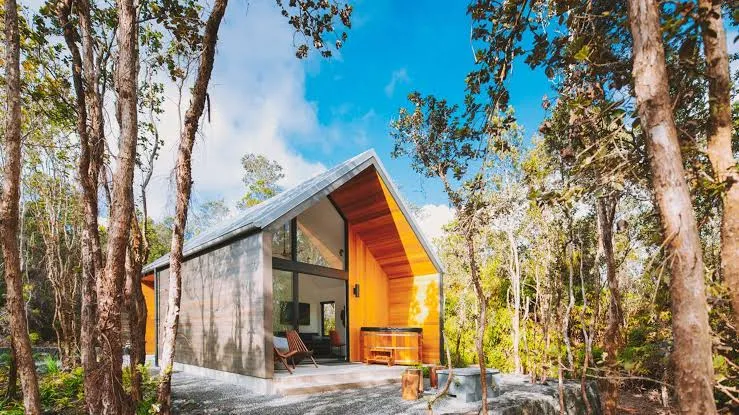
Scenario A: The Appalachian Ridge Suite
A couple books a timber suite in western North Carolina for five nights in October.
Environmental Context
Autumn brings clear afternoons, cool mountain air, crisp nights, and high foliage tourism across the Appalachian chain.
Financial Decisions and Pitfalls
The travelers reserved a cabin listed at $1,800 per night ($9,000 base total). They assumed the location offered absolute solitude along the mountain ridge.
Operational Impacts
Heavy seasonal traffic along the access road created ambient noise during peak daylight hours, reducing terrace privacy.
Budget Adjustments
Future autumn bookings require auditing road setbacks to ensure peaceful daytime conditions.
Scenario B: The Rocky Mountain High-Alpine Suite
A couple reserves a secluded chalet near Aspen for six nights in January.
Environmental Context
Winter brings heavy snow accumulation, freezing temperatures, icy roads, and clear night skies across alpine passes.
Financial Decisions and Pitfalls
The guests booked a chalet at $3,200 per night ($19,200 base total). They expected to use the outdoor hydrotherapy tub every evening.
Operational Impacts
Sub-zero temperatures caused rapid water heat loss, limiting outdoor tub use during late evening hours.
Budget Adjustments
High-alpine winter stays require confirming tub heating capacity and deck safety maintenance prior to arrival.
Planning, Cost, and Resource Dynamics
Structural Capital Allocation
Budgeting for the top romantic cabin suites america requires balancing base rates, mandatory cleaning fees, utility charges, and all-wheel-drive transit costs.
Expense Distribution Metrics
| Expense Category | Typical Cost Share (%) | Average Price Multipliers | Operational Value Drivers |
| Base Suite Rate | 55% – 65% of budget | 1.0x baseline metric | Direct mountain view, private hydrotherapy pool |
| Mandatory Fees | 15% – 20% of base rate | 1.15x – 1.20x base rate | Cleaning fees, environmental management fees |
| Utilities & Heating | 10% – 15% of budget | 1.10x – 1.15x service | Hot tub heating, firewood delivery, gas fireplace power |
| Special Transit | 10% – 15% of budget | 1.10x – 1.15x transit | All-wheel-drive rental vehicles, snow shuttle services |
Tools, Strategies, and Support Systems
Systematic Audit Steps
Travelers can apply concrete verification steps to evaluate wilderness properties before confirming reservations.
Subheading: Actionable Audit Steps for Cabins
-
Audit Parcel Boundaries: Confirm the cabin sits on dedicated land rather than within a high-density cluster of rentals.
-
Evaluate Thermal Features: Check window glazing types and fireplace specs to ensure winter warmth.
-
Calculate Total Surcharges: Add cleaning fees, resort charges, and utility costs to base nightly rates.
-
Review Access Routes: Confirm road conditions and determine if an all-wheel-drive vehicle is required during winter months.
-
Verify Safety Systems: Confirm the property includes backup generators, fire safety tools, and clear emergency contacts.
Risk Landscape and Failure Modes
Taxonomy of Wilderness Property Risks
Failing to evaluate parcel density, weather conditions, and fee structures can result in privacy loss, cold interiors, and unexpected expenses.
Governance, Maintenance, and Long-Term Adaptation
Subheading: Managing Reservation Timelines
Booking Timelines and Supply Limits
Top luxury cabin properties operate with small room inventories, often offering fewer than fifteen standalone units per estate. Peak autumn foliage and winter holiday dates sell out months ahead.
Subheading: Pre-Booking Check Requirements
Pre-Booking Checklist
Review these essential points before finalizing reservations for high-end wilderness cabin suites.
-
Confirm the cabin provides unobstructed forest or mountain views protected from neighboring structures.
-
Verify the outdoor deck and hot tub offer privacy from nearby paths and roads.
-
Calculate total nightly costs including cleaning fees, utility surcharges, and local taxes.
-
Confirm heating systems and outdoor hot tub operational policies for winter months.
-
Secure all-wheel-drive transportation arrangements for high-elevation access routes.
Measurement, Tracking, and Evaluation
Critical Property Evaluation Metrics
Auditing luxury cabin accommodations requires analyzing structural room data alongside qualitative comfort signals.
Applied Evaluation Scenarios
-
Example 1: Acoustic Insulation Audit. A timber suite built five hundred feet from access roads maintains quiet interior spaces during daytime traffic hours.
-
Example 2: Surcharge Accounting. A $1,500 base rate carrying a $250 cleaning fee, $50 utility charge, and 12% tax yields a total daily expense of $1,980.
-
Example 3: Spatial Setback Verification. Positioning a cabin behind a dense pine tree line prevents neighboring guests from seeing onto private hot tub decks.
Common Misconceptions and Oversimplifications
Subheading: Correcting Common Cabin Booking Myths
Myth 1: Log Cabins Are Naturally Warm and Soundproof
Traditional solid log walls can expand and shrink, creating air gaps that leak heat unless sealed properly with modern insulation techniques.
Myth 2: Secluded Titles Always Mean Complete Isolation
Properties labeled as secluded retreats are often built within modern cabin developments where adjacent units share nearby sightlines.
Myth 3: Fireplaces Provide Complete Heating for Large Suites
Open wood fireplaces lose significant heat up the chimney flue, requiring modern central heating systems to keep rooms warm during sub-zero nights.
Ethical, Practical, or Contextual Considerations
Environmental Stewardship and Forest Conservation
Reserving luxury wilderness cabins requires balancing personal travel comfort with environmental preservation. Fragile forest ecosystems face pressure from habitat fragmentation, high water consumption, and erosion along mountain trails.
Choosing properties that use eco-friendly building materials, energy-efficient heating systems, and low-impact site management helps protect natural wilderness areas. Supporting responsible developments ensures mountain environments remain preserved for future travel.
Conclusion
Selecting the top romantic cabin suites america requires evaluating structural insulation, parcel isolation, and total fee structures rather than relying on promotional names alone. Securing top-tier wilderness accommodations demands checking site plans, thermal performance ratings, and local weather patterns before making reservations. Balancing base room tariffs against mandatory service charges and winter transit costs ensures high acoustic privacy, thermal comfort, and overall travel value. Careful planning turns a mountain retreat into a peaceful, warm, and memorable getaway experience.