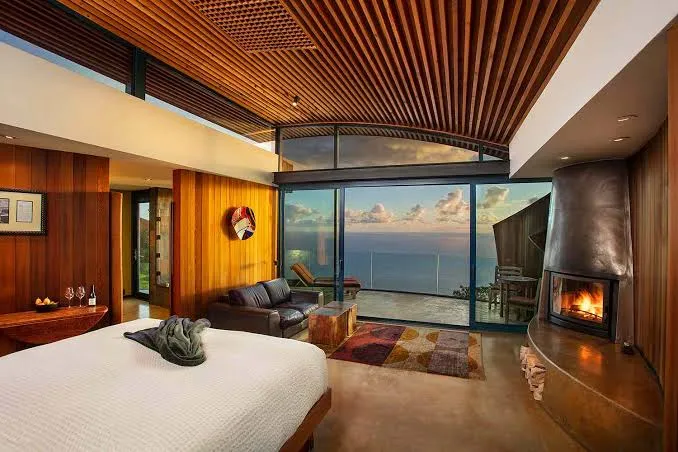
Best Beachfront Honeymoon Suites United States: Evaluation Guide
Evaluating premium oceanfront inventory requires understanding marine spatial dynamics, regional coastal protections, and hospitality asset management. Published room classifications often obscure the practical reality of coastal accommodations. Properties regularly market rooms as oceanfront when they only offer partial side views over parking structures or pool decks. True oceanfront accommodations demand direct, unobstructed sightlines to the water, private spatial buffers, and immediate access to the shoreline.
Complexities of Domestic Oceanfront Inventory
Domestic coastal zones in North America present diverse climatic, architectural, and regulatory environments. Florida barrier islands, Hawaiian volcanic coastlines, California bluffs, and New England capes feature distinct spatial setups and seasonal demand patterns. Regulatory constraints, such as state coastal zone management acts, limit new waterfront construction. Consequently, top-tier accommodations operate under tight supply constraints, driving high rates during peak marine weather seasons.
Scope of the Operational Model
This reference provides a methodology for assessing, comparing, and reserving high-end domestic oceanfront suites. Analyzing coastal topography, inventory naming conventions, dynamic pricing cycles, and structural trade-offs reveals key selection factors. The sections below outline a clear framework for evaluating premium waterfront accommodations across major coastal regions. This structured approach helps ensure allocated capital secures genuine spatial quality, acoustic comfort, and privacy.
Understanding “Best Beachfront Honeymoon Suites United States”
Deconstructing Coastal Room Categories
Analyzing the best beachfront honeymoon suites united states requires distinguishing between marketed visual claims and verified spatial physical layouts. Hotel operators routinely use terms like oceanfront, ocean view, water view, and coastal vista interchangeably across booking platforms.
Subheading: Evaluating Spatial Layouts
Core Spatial Elements
Evaluating beachfront suites requires checking four spatial layers before confirming bookings.
Verification Requirements
Securing true beachfront inventory requires checking property site plans, setback lines, public beach access paths, and internal building placements.
Deep Contextual Background
Historical Shifts in Coastal Resort Development
The development of domestic oceanfront resorts has shifted dramatically over the past century. Early twentieth-century grand wooden hotels featured broad public verandas positioned well behind dunes to protect against storm surges.
Regulatory Limits and Inventory Constraints
Enacting environmental policies, such as the Coastal Zone Management Act of 1972, restricted new private developments along public shorelines. Consequently, existing historic properties and redeveloped footprint sites hold a functional monopoly on prime waterfront locations.
Limited room supply combined with growing domestic leisure demand has reshaped luxury resort economics. Properties unbundle amenities while applying dynamic pricing algorithms to maximize daily room revenue. Travelers must evaluate room positioning carefully to ensure paid rates match actual spatial quality.
Conceptual Frameworks and Mental Models

Subheading: Analyzing Oceanfront Models
1. The Sightline Separation Vector (SSV)
This framework measures room quality by calculating the angle and distance between a suite’s primary window and the high-water shoreline mark.
2. The Marine Microclimate Friction Model
This model assesses suite usability by evaluating local weather variables, such as offshore morning fog, afternoon winds, and salt-spray accumulation.
3. The Beach Access Isolation Matrix
This framework evaluates guest privacy by analyzing public access easements, coastal dunes, and property security perimeters.
Key Categories or Variations
Regional Coastal Profiles
Examining major coastal regions shows clear differences in architecture, weather risks, and seasonal demand patterns across domestic waterfront inventory.
| Regional Category | Primary Spatial Advantage | Operational Trade-Offs | Peak Demand Window |
| Hawaiian Oceanfront Villas | Year-round warm water, native landscapes | Long flights, high resort service charges | December to April; June to August |
| Florida Key Bungalows | Direct shallow water access, calm bays | High hurricane risks, humid summer seasons | January to April (Low Humidity) |
| California Bluff Suites | Dramatic ocean views, cooler air | Cold water temperatures, morning fog | July to October (Clear Skies) |
| New England Cape Cottages | Historic coastal charm, quiet beaches | Short summer season, cool water temps | June to September (Warm Window) |
| Pacific Northwest Cabins | Rugged coastline solitude, dense forests | Frequent rain, unswimmable ocean waters | July to September (Dry Months) |
Detailed Real-World Scenarios
Subheading: Analyzing Scenario A: The Hawaiian Oceanfront Lanai
Scenario A: The Hawaiian Oceanfront Lanai
A couple books a ground-floor oceanfront suite on Maui for six nights in December.
Environmental Context
High winter demand coincides with humpback whale migration, bringing warm temperatures, occasional rain showers, and strong ocean swells.
Financial Decisions and Pitfalls
The travelers booked a suite listed at $3,200 per night ($19,200 base total). They assumed ground-floor positioning provided quiet shoreline access.
Operational Impacts
Ground-floor placement along a public beach path compromised privacy, forcing curtains to remain closed during peak daytime hours.
Budget Adjustments
Future Hawaiian bookings require securing second- or third-floor rooms to preserve ocean views while maintaining personal privacy.
Subheading: Analyzing Scenario B: The California Coastal Bluff Suite
Scenario B: The California Coastal Bluff Suite
A couple books an ocean-view suite atop a Big Sur bluff for four nights in July.
Environmental Context
Summer marine climate patterns bring dense morning fog along the central coast, clearing by mid-afternoon.
Financial Decisions and Pitfalls
The travelers reserved a suite at $2,500 per night ($10,000 base total). They expected clear sunny ocean views throughout daylight hours.
Operational Impacts
Heavy morning fog obscured ocean views until early afternoon, reducing time spent using the private outdoor deck.
Budget Adjustments
Coastal California itineraries should target late summer or early autumn dates to enjoy clearer skies and warmer temperatures.
Planning, Cost, and Resource Dynamics
Structural Capital Allocation
Budgeting for top-tier oceanfront suites requires balancing base rates, mandatory resort fees, parking tariffs, and premium beach services.
Expense Distribution Metrics
| Expense Category | Typical Cost Share (%) | Average Price Multipliers | Operational Value Drivers |
| Base Suite Rate | 55% – 65% of budget | 1.0x baseline metric | Direct ocean sightline, room square footage |
| Mandatory Surcharges | 15% – 20% of base rate | 1.15x – 1.20x base rate | Resort fees, municipal taxes, utility fees |
| Beach Amenities | 10% – 15% of budget | 1.10x – 1.15x activity | Reserved cabanas, water sports, beach dining |
| Daily Valet & Transit | 5% – 10% of budget | 1.05x – 1.10x service | On-site parking, airport shuttle transfers |
Tools, Strategies, and Support Systems
Practical Verification Steps
Travelers can apply direct verification steps to audit oceanfront suites before confirming reservations.
Subheading: Essential Steps for Suite Verification
-
Audit Architectural Site Plans: Verify the room directly faces the water rather than sitting at an angle.
-
Verify Elevation Setbacks: Check building height relative to public paths to ensure deck privacy.
-
Calculate Mandatory Surcharges: Add resort fees, valet costs, and local lodging taxes to base rates early.
-
Use Preferred Travel Programs: Book through luxury networks to secure room upgrades, dining credits, and late checkout.
-
Check Microclimate Patterns: Research seasonal fog, wind, and water conditions before selecting travel dates.
Risk Landscape and Failure Modes
Taxonomy of Coastal Risks
Failing to account for coastal conditions and booking terms can lead to poor views, high noise, and unexpected costs.
Governance, Maintenance, and Long-Term Adaptation
Subheading: Managing Coastal Booking Cycles
Review Cycles and Inventory Booking
Luxury coastal resorts manage small inventories of true oceanfront suites, often fewer than fifteen keys per property. Prime dates book six to twelve months in advance.
Subheading: Pre-Booking Verification Checklist
Pre-Booking Checklist
Review these critical items before confirming final bookings for beachfront suites.
-
Verify the room offers a direct, unobstructed ocean sightline.
-
Check that room placement sits above public beach walking paths.
-
Calculate total nightly costs, including all resort fees and taxes.
-
Confirm local ocean conditions permit safe swimming during travel dates.
-
Secure preferred network benefits for free breakfast and room credits.
Measurement, Tracking, and Evaluation
Critical Suite Metrics
Evaluating beachfront inventory requires tracking both quantitative room metrics and qualitative comfort signals.
Real-World Evaluation Examples
-
Example 1: Sightline Degree Audit. A suite offering a 180-degree unobstructed ocean view provides superior spatial quality compared to a 45-degree angled view.
-
Example 2: Surcharge Calculation. A $2,000 base rate carrying a $100 resort fee, $60 parking fee, and 14% tax results in a total daily cost of $2,440.
-
Example 3: Setback Evaluation. A third-floor suite elevated thirty feet above a dune path preserves visual privacy while maintaining open water views.
Common Misconceptions and Oversimplifications
Subheading: Correcting Coastal Booking Myths
Myth 1: Ocean View and Oceanfront mean the same thing
Ocean view rooms often show only a sliver of water from an angle. Oceanfront suites face the water directly, offering full panoramic views.
Myth 2: Ground-Floor Rooms Offer the Best Beach Access
Ground-floor rooms provide fast beach access but often sacrifice privacy due to nearby public paths and resort walkways.
Myth 3: Private Beaches Are Entirely Closed to the Public
In many U.S. states, coastal laws mandate public ownership of shorelines up to the high-water mark, meaning most beaches are partially shared.
Ethical, Practical, or Contextual Considerations
Coastal Stewardship and Resource Management
Booking luxury coastal retreats requires balancing personal comfort with environmental protection. Delicate dune systems, coral reefs, and coastal bluffs face ongoing erosion pressure.
Choosing resorts with eco-friendly designs, respecting dune access paths, and supporting local ocean conservation helps preserve shorelines. Responsible choices help protect coastal habitats for future visitors.
Conclusion
Reserving the best beachfront honeymoon suites united states requires evaluating direct water sightlines, elevation privacy, and total fee structures rather than relying on promotional names alone. Ensuring real spatial quality demands checking property layout maps, floor levels, and local beach access rules before booking. Balancing base tariffs with resort fees and seasonal weather patterns helps secure high comfort and exceptional value. Thorough preparation turns a coastal trip into a refreshing, memorable waterfront stay.