Best Private Pool Honeymoon Suites USA: Architectural Privacy Guide
Integrating dedicated aquatic features into private guest footprints represents one of the most complex challenges in modern luxury resort architecture. Promotional materials routinely conflate shared splash pools, overlooked plunge tubs, and semi-private dipping basins with true residential-grade swimming pools. A premier private pool suite must deliver total spatial isolation, engineered acoustics, precise heating systems, and complete sightline protection from adjoining structures. Couples seeking these specialized accommodations navigate a marketplace where high price points do not always ensure absolute physical seclusion.
Regional Operational Constraints
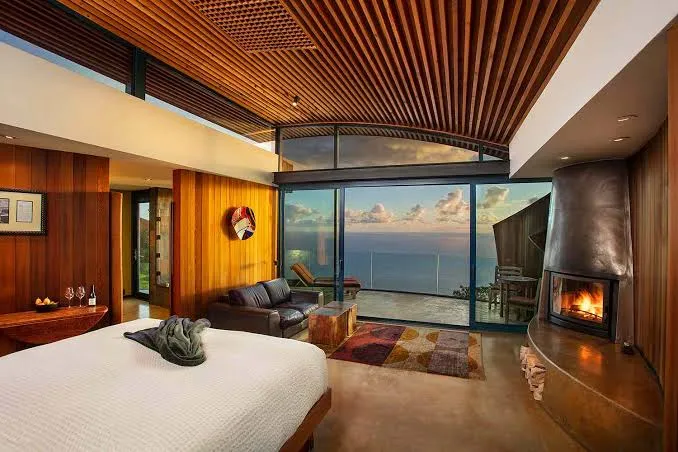
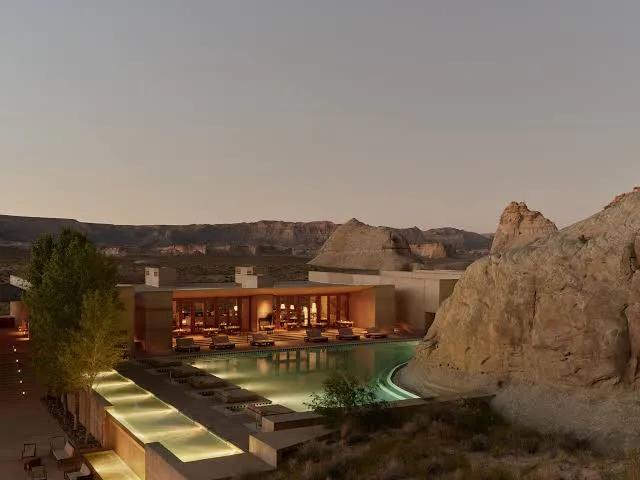
The geographic diversity of North America imposes distinct engineering and operational demands on private pool installations. A sun-drenched desert pavilion in Arizona requires high-capacity evaporative cooling and shading structures to remain functional during summer peaks. Conversely, a coastal villa in Big Sur or a mountain sanctuary in the Rockies demands heavy-duty heat exchangers, automated thermal covers, and wind-shielding enclosures to withstand cold ocean air or sub-zero mountain blasts.
Framework for Evaluation
Evaluating these complex properties requires moving beyond polished surface photography. Travelers must systematically analyze hydraulic heating specs, physical enclosure boundaries, service maintenance schedules, and hidden surcharge frameworks. This definitive manual establishes analytical models to dissect, evaluate, and reserve high-altitude and coastal pool suites across the United States.
Understanding “Best Private Pool Honeymoon Suites USA”
Architectural Privacy Demands
Evaluating the best private pool honeymoon suites usa requires analyzing physical boundaries rather than accepting marketing claims. True structural privacy demands that no adjacent balconies, elevated walkways, service roads, or drone flight paths maintain a direct line of sight into the water or sunbathing deck.
Operational Service Channels
From an operational perspective, high-end pool suites require hidden service access. Maintenance personnel must test chemical levels, clean filters, and service pumps through exterior utility corridors without entering the guest suite or terrace.
Common Marketing Oversights
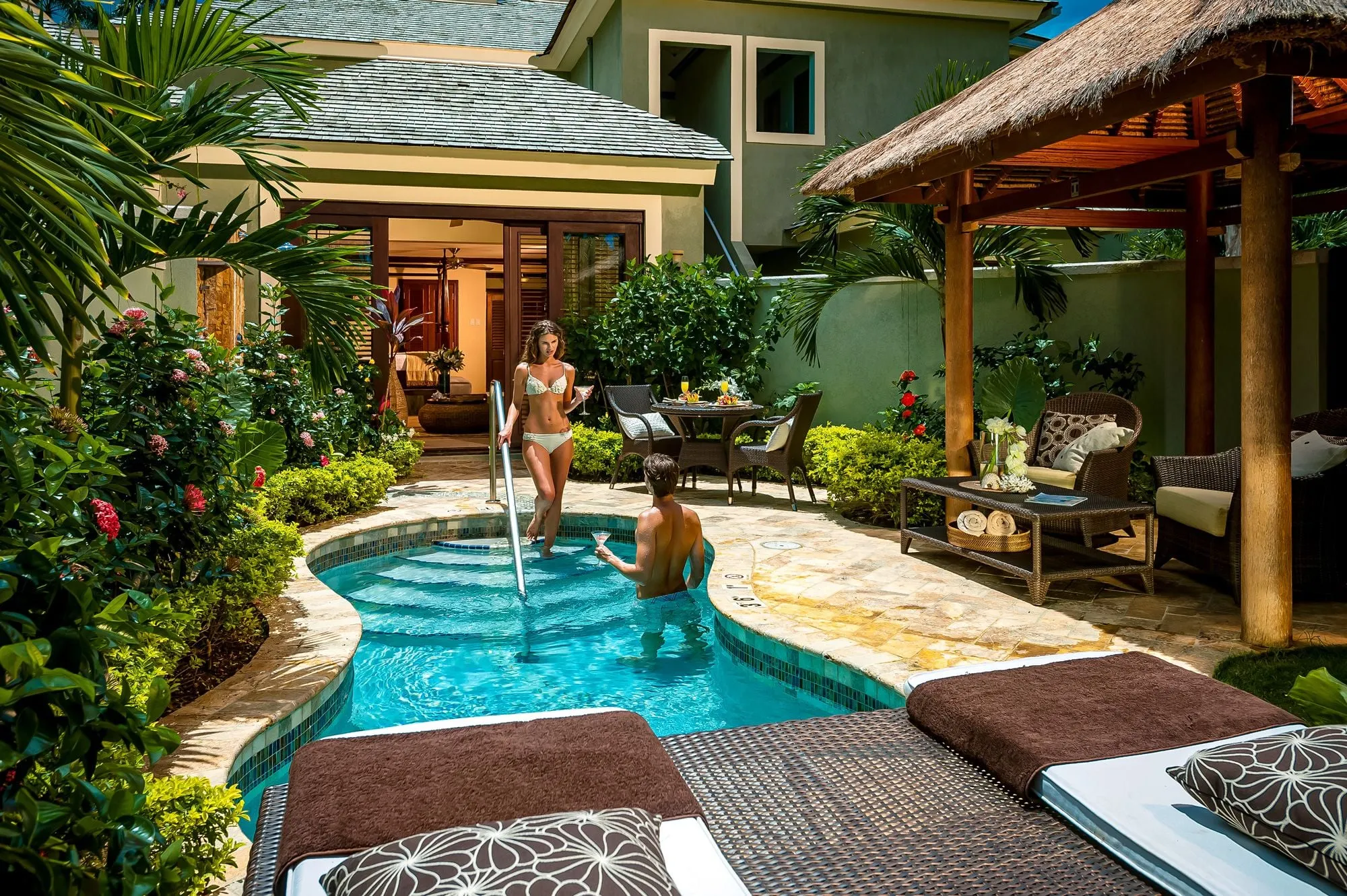
A primary industry oversight is confusing oversized hot tubs or whirlpool tubs with genuine private plunge pools. A true private pool provides sufficient surface area for swimming or immersion cooling, supported by continuous commercial-grade filtration systems rather than simple drain-and-fill bath plumbing.
Deep Contextual Background
Historical Engineering Evolution
In-suite aquatic amenities evolved significantly over the past half-century. Early luxury resorts in the 1970s introduced shared swim-up bars and communal pools. These designs prioritized social display over private guest seclusion.
Environmental Shift to Private Enclosures
By the late 1990s, high-end guest expectations shifted toward individual residential villas. Developments in salt-chlorination systems, automated heating controls, and compact mechanical equipment enabled resorts to build private pools within personal suite boundaries.
Modern municipal water codes and environmental energy standards now limit water volume and heater power output in many states. Consequently, historic properties with grandfathered water rights feature larger private pools, whereas newer builds utilize compact, high-efficiency plunge designs.
Conceptual Frameworks and Mental Models
1. The Thermal Stability Framework
This model evaluates a pool’s ability to maintain set water temperatures despite external climate shifts. High-performance suites utilize commercial heat exchangers capable of maintaining 90°F (32°C) water during 40°F (4°C) night drops. Poorly engineered pools lose heat rapidly, leaving water uncomfortably cold during morning or evening hours.
2. The Sightline Deflection Model
This model assesses visual privacy using geometric angles from nearby structures. Complete seclusion requires calculating sightlines from upper-level resort rooms, neighboring hillside paths, and distant public viewpoints.
3. The Acoustic Masking Ratio
This framework balances mechanical equipment noise against ambient natural sounds. Submerged pumps, isolated equipment pads, and water curtain features mask outside noise, creating a peaceful private soundscape.
Key Categories and Structural Variations
Regional Pool Configurations
Distinct geographic zones foster unique structural designs for private pool suites across the United States.
| Category | Primary Geographic Regions | Core Structural Advantages | Key Operational Trade-Offs |
| Desert Courtyard Plunge Pools | Arizona, Southern California, Utah | Total masonry wall privacy, high sun exposure, integrated fire features | Rapid evaporative water loss, high summer deck surface heat |
| Tropical Lanai Infinity Pools | Hawaiian Islands (Maui, Kauai) | Seamless ocean horizons, lush vegetation screening, warm natural climate | High humidity, tropical insect activity, windward salt spray accumulation |
| Coastal Bluff Glass-Shielded Pools | Big Sur, Central Coast California | Dramatic ocean elevation, wind-deflective glass walls, coastal views | Cool ambient air requires heavy continuous heating, marine fog dampness |
| Mountain Sanctuary Heated Pools | Colorado Rockies, Wasatch Range | Sub-zero operation, snow-covered mountain views, integrated hot tubs | Deep winter energy consumption, automated cover reliance, ice control |
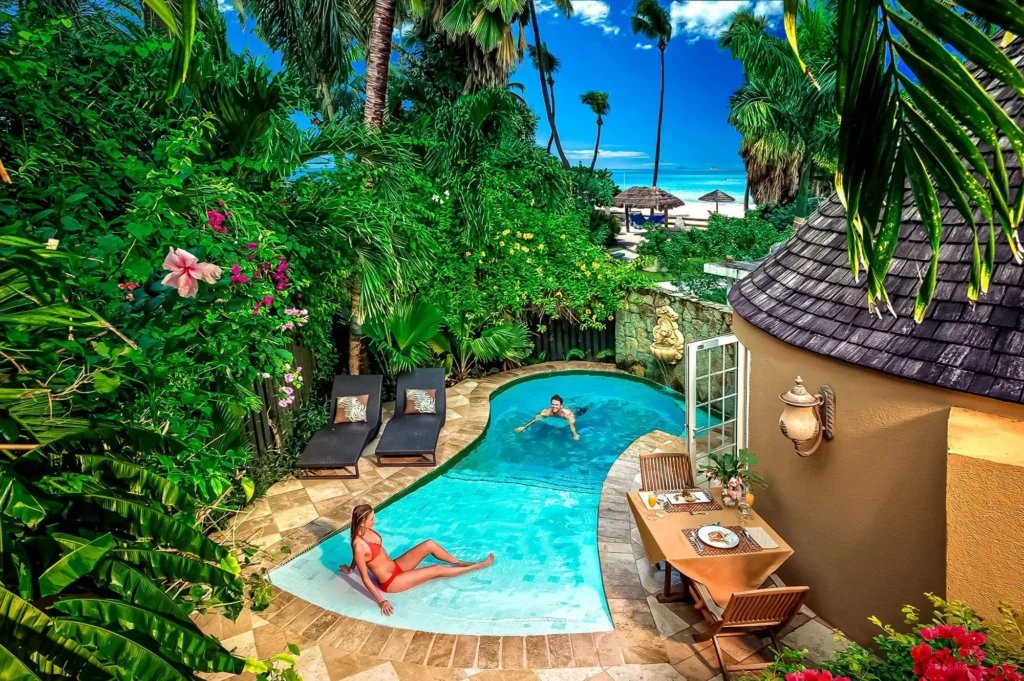
| Sub-Tropical Island Villa Pools | Florida Keys, Gulf Coast | Direct step-out water access, warm year-round air, private docks | Low elevation storm risks, public watercraft noise, high humidity |
Selection Decision Logic
Detailed Real-World Scenarios
Scenario A: Sonoran Desert Courtyard Suite
A couple reserves an ultra-luxury courtyard pavilion featuring a private plunge pool in Scottsdale during spring.
Environmental Realities
Intense afternoon solar radiation, high day-night temperature swings, rapid water evaporation, and blowing sand impact daily conditions.
Structural Choices
Choosing between an unshaded open pool courtyard and an overhead louvered pergola requires evaluating solar heat loads.
Operational Failures
Selecting an unshaded pool without automated cooling converts pool water into an uncomfortably warm bath by mid-afternoon.
Long-Term Adaptations
Guests must use mechanical chillers during peak afternoon hours to maintain refreshing water temperatures.
Scenario B: Big Sur Coastal Bluff Villa
A honeymoon pair books a cliffside suite with an infinity plunge pool along the California coast in autumn.
Environmental Realities
Persistent marine fogs, strong onshore wind gusts, cool ocean air, and high salt-air corrosion present continuous challenges.
Structural Choices
Balancing windless deck comfort against clear ocean views requires evaluating wind-deflection glass heights.
Operational Failures
Choosing a deck without wind baffles allows 20-knot ocean breezes to cool pool water rapidly, creating cold drafts above the surface.
Long-Term Adaptations
Guests keep automated thermal covers deployed when pools are idle, preserving heat and reducing energy load.
Planning, Cost, and Resource Dynamics
Financial Structure Analysis
Reserving top private pool suites requires analyzing complex cost structures. Nightly rates cover basic accommodation alongside substantial energy, maintenance, and facility overhead costs.
Expense Distribution Range
| Expense Category | Budget Allocation (%) | Standard Price Range (Per Night / Stay) | Key Cost Variables |
| Base Suite Rate | 70% – 80% | $1,500 – $6,000+ / night | Pool square footage, heating specs, sightline isolation level |
| Resort & Utility Fees | 4% – 8% | $50 – $200 / day | Covers pool cleaning service, beach access, high-speed Wi-Fi |
| Local Occupancy Taxes | 10% – 14% | Variable by region | County lodging taxes, environmental water usage fees |
| Pool Heating Upgrades | 6% – 10% | $100 – $350 / day | Guaranteed 95°F water targets, off-season gas surcharges |
Tools, Strategies, and Support Systems
Selection Methodologies
Evaluating private pool accommodations requires practical evaluation strategies that go beyond marketing brochures.
-
Sightline Satellite Inspection: Use high-resolution aerial imaging to verify whether neighboring balconies overlook the pool deck.
-
Thermal System Verification: Contact engineering staff to confirm whether pool heating systems use gas heaters or slower heat pumps.
-
Sun Path Charting: Review solar trajectories to ensure pool decks receive direct sunlight rather than falling into building shadows.
-
Maintenance Schedule Auditing: Confirm that pool cleaning personnel service filters via external access routes without entering guest spaces.
-
Wind Vector Review: Inspect local wind trends to determine if pool decks require physical glass windbreakers.
Risk Landscape and Failure Modes
Operational Risk Vectors
Private pool suites present distinct operational risks that can disrupt guest stays if unaddressed.
Governance, Maintenance, and Long-Term Adaptation
Property Quality Control
Premier resorts follow strict maintenance schedules to preserve pool mechanics. Salt air, extreme heat, and continuous chemical use wear down pumps, tiles, and heaters rapidly.
Leading properties run extensive off-season maintenance programs. Engineers overhaul pumps, re-tile pool interiors, test safety covers, and recalibrate chemical sensors to ensure reliable guest operations.
Pre-Arrival Checklist
Guests should complete a verification protocol before committing to non-refundable pool suite bookings.
-
Request written confirmation of guaranteed pool water temperatures during winter dates.
-
Verify that adjacent guest rooms or public trails maintain zero direct sightlines into your pool.
-
Confirm whether pool maintenance staff utilize discrete exterior service corridors.
-
Check if the pool features automated thermal covers to retain warmth overnight.
-
Request upper or corner villa units to ensure maximum terrace privacy.
Measurement, Tracking, and Evaluation
Critical Quality Indicators
Evaluating luxury pool suites requires analyzing objective performance metrics alongside subjective comfort factors.
Real-World Verification Examples
-
Example 1: Temperature Stability Metric. Premier mountain pool suites maintain set water temperatures within 1.5°F, even when outside air temperatures fall below freezing.
-
Example 2: Acoustic Dampening Standards. High-grade installations keep mechanical pump noise below 35 decibels at the water’s edge, preserving a peaceful natural soundscape.
-
Example 3: Visual Seclusion Standards. Expertly designed pool courtyards use angled masonry walls and lush privacy hedges, eliminating sightlines from all neighboring structures.
Common Misconceptions and Oversimplifications
Myth 1: Private Plunge Pools Are Always Heated Automatically
Many guests assume private plunge pools remain warm year-round. However, many resorts charge extra daily fees for pool heating or limit maximum water temperatures to save energy.
Myth 2: “Private Pool” Guarantees Complete Seclusion
Resorts frequently market ground-floor pools as private, even when guest balconies above maintain clear direct sightlines down into the swimming area.
Myth 3: Infinity Pools Offer Superior Swimming Spaces
Infinity edge designs create stunning promotional photos, but they often prioritize visual edge aesthetics over functional swimming depth or wind protection.
Ethical, Practical, and Contextual Considerations
Water Resource Stewardship
Operating private swimming pools in arid desert regions or remote islands presents environmental challenges. Evaporation losses and high energy consumption require responsible resort management.
Top eco-conscious resorts utilize solar heating arrays, advanced evaporative pool covers, rain-water harvesting systems, and energy-efficient heat pumps. Supporting environmentally responsible properties helps preserve natural resources in delicate destinations.
Conclusion
Selecting from among the best private pool honeymoon suites usa requires evaluating pool mechanics, privacy designs, heating capacities, and regional climate patterns. Looking beyond promotional photographs to verify sightline angles, pump acoustics, thermal stability, and hidden utility fees ensures a comfortable stay. Careful planning guarantees your private pool honeymoon delivers complete seclusion, effortless relaxation, and lasting memories.