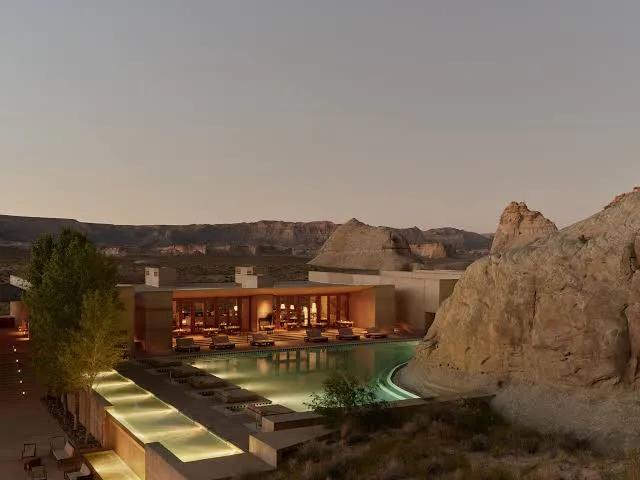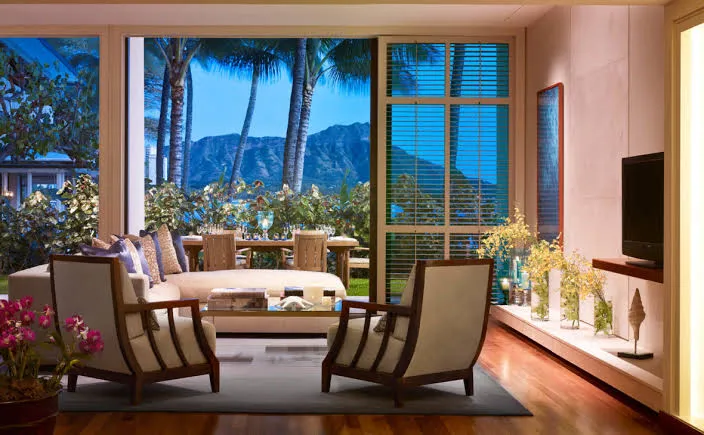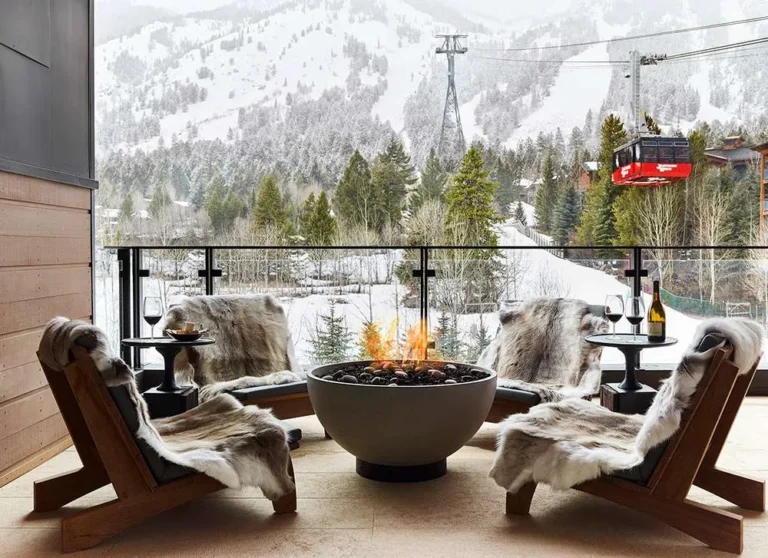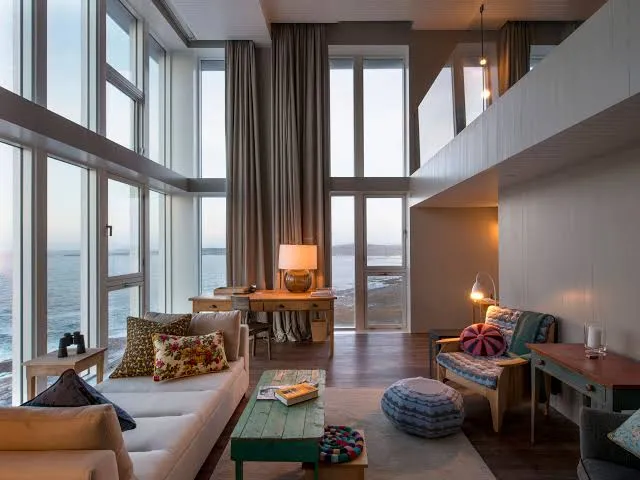
Luxury Island Honeymoon Suites United States: Island Retreat Evaluation
Securing a premium island sanctuary requires understanding geography, privacy structures, and service logistics. High-end hospitality brochures frequently categorize standard ocean-facing rooms as exclusive romantic suites. Authentic island luxury demands architectural separation, dedicated outdoor space, unhindered coastal views, and complete acoustic isolation from public areas. Couples seeking island escapes navigate a market where inflated pricing does not always ensure true seclusion or seamless operational service.
The island territory of the United States spans diverse climates and geographies. A tropical villa in Hawaii operates under entirely different environmental conditions than a historic coastal suite on San Juan Island or a secluded retreat in the Florida Keys. Maritime air, saltwater corrosion, tidal shifts, and seasonal weather patterns affect everyday comfort far more than high-thread-count linens or welcome amenities.
Evaluating these remote properties requires a disciplined methodology. Analyzing floor plans, sightline angles, service delivery routes, and fee structures allows travelers to choose accommodations with confidence. This reference guide examines the critical variables that define world-class island accommodations, offering practical frameworks to evaluate, select, and reserve suites aligned with specific honeymoon priorities.
Understanding “Luxury Island Honeymoon Suites United States”
Architectural Privacy and Operational Logistics
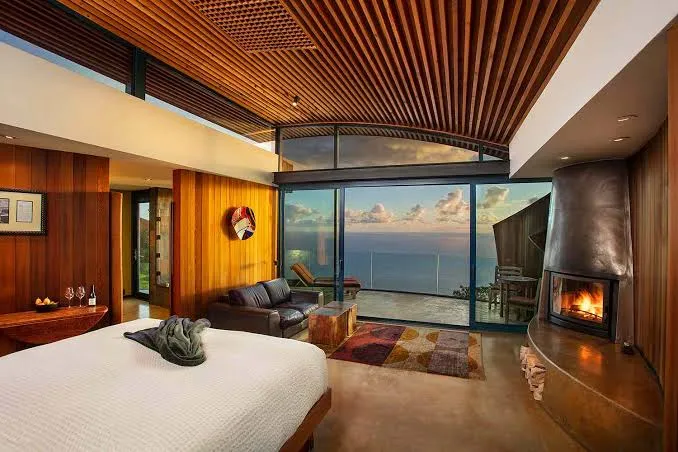
Evaluating luxury island honeymoon suites united states demands looking past styled promotional photos. High-performance suites prioritize physical privacy, protecting indoor and outdoor living areas from public footpaths.
Effective resort design incorporates discrete service channels. Housekeeping staff access units through separate pathways, ensuring guest privacy remains undisturbed throughout their stay.
Geographical Realities
A common mistake in booking island suites is confusing general ocean views with direct oceanfront access. Many resorts classify rooms with distant water sightlines under their highest rate categories.
Geography influences daily experiences significantly. Elevated cliffside suites offer sweeping horizon views, but reaching the shoreline requires navigating steep stairs. Conversely, beachfront suites allow direct access to sand, though they expose guests to beachgoers and ground maintenance crews.
Deep Contextual Background
Architectural Development
Island resort design in North America evolved considerably over the last century. Early twentieth-century coastal hotels featured centralized buildings with small rooms centered around shared social halls.
Environmental Building Shifts
By the 1980s, luxury travelers demanded increased personal space. Properties shifted toward detached bungalows, private villas, and standalone island casitas.
Modern coastal preservation laws strictly limit new construction near sensitive shorelines. Older estates often sit right along the tide line under grandfathered rules, while newer developments must set back behind protected dunes, altering structural layouts.
Conceptual Frameworks and Mental Models
1. The Seclusion-Accessibility Spectrum
This framework measures the trade-off between private isolation and resort access. Remote island villas offer quiet surroundings, yet they require private transfers for dining and activities. Central resort suites provide quick access to amenities while sacrificing total solitude.
2. The Microclimate Exposure Model
Island geography creates distinct microclimates. Guests must consider wind patterns, humidity levels, and sun orientation. West-facing suites capture memorable sunsets, but they absorb intense late-afternoon heat. North-facing suites provide soft light, yet they experience cooler damp winds.
3. The Acoustic Baffling Framework
Island soundscapes change constantly. Continuous crashing waves can become overwhelming over an extended stay if room soundproofing is weak. This model balances natural ocean sounds against mechanical noise isolation, dual-pane glass, and insulated wall construction.
Key Categories and Structural Variations
Regional Architectural Formats
Different island regions offer unique suite designs. Understanding these regional styles clarifies expectations regarding physical layout, privacy levels, and climate protection.
| Category | Primary Geographic Regions | Core Structural Advantages | Key Operational Trade-Offs |
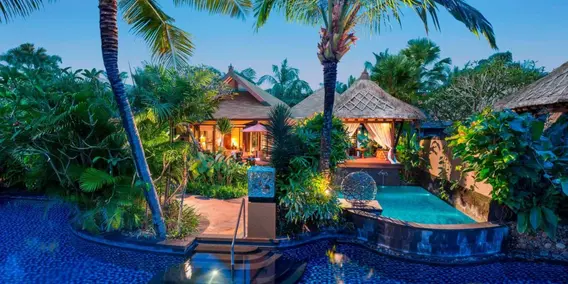
| Pacific Tropical Villas | Hawaiian Islands (Maui, Kauai, Big Island) | Indoor-outdoor lanais, private plunge pools, lush gardens | High humidity, local insects, visible resort pathways |
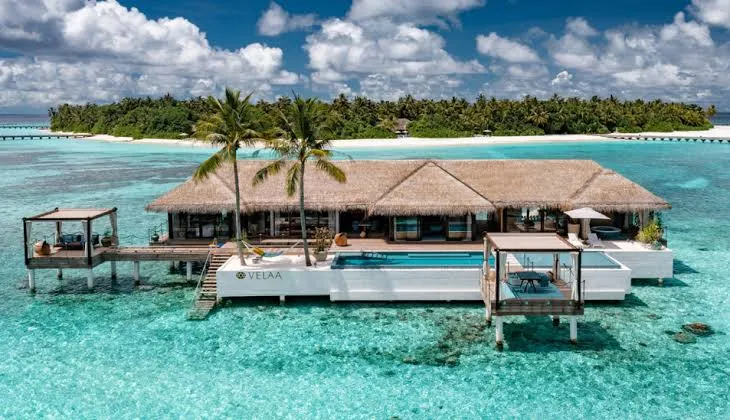
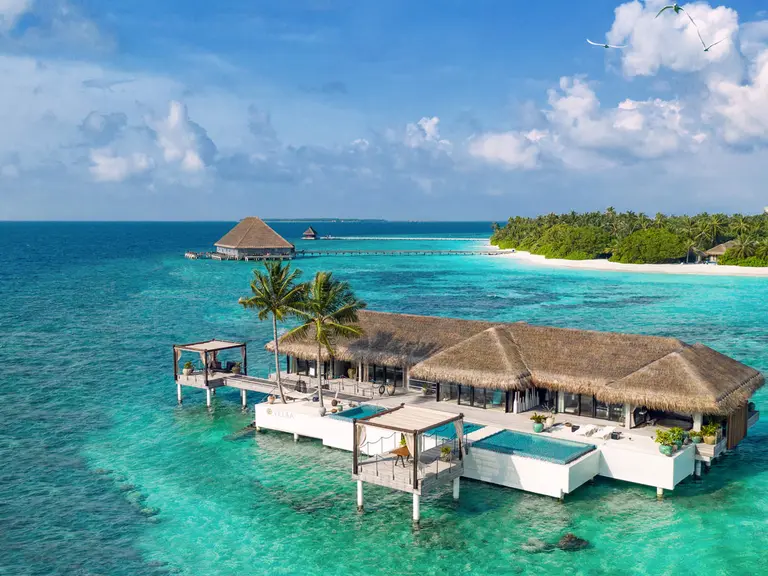
| Sub-Tropical Key Bungalows | Florida Keys, Barrier Islands | Direct water access, private boat slips, shallow sea views | Lower elevation, storm vulnerability, public watercraft noise |
| North Atlantic Island Estates | Nantucket, Martha’s Vineyard, Mount Desert | Historic architecture, manicured grounds, cool harbor breeze | Seasonal operational windows, compact bathrooms, older soundproofing |
| Pacific Northwest Sound Cabins | San Juan Islands, Whidbey Island | Deep forest surroundings, calm waters, fire pits | Damp air, cooler weather, limited direct beach access |
| Sub-Tropical Gulf Retreats | Barrier Islands of Florida & Georgia | Wide sandy beaches, warm Gulf waters, natural dunes | Summer heat, public beach traffic, high humidity |
Selection Decision Logic
Choosing the right category depends on personal preferences. Travelers prioritizing warm ocean swimming thrive in tropical villas or key bungalows. Those seeking quiet harbor scenery prefer northern island estates.
Detailed Real-World Scenarios
Scenario A: Hawaiian Tropical Villa
A couple reserves a standalone oceanfront villa on Maui during the winter season.
Environmental Realities
Strong trade winds, sudden tropical rain showers, high humidity, and intense afternoon sun impact daily comfort.
Architectural Decisions
Choosing between an open indoor-outdoor lanai and a glass-enclosed climate-controlled space involves evaluating weather patterns.
Operational Challenges
Selecting an open lanai without storm screens leaves furniture damp during sudden downpours.
Long-Term Adaptations
Guests spend more time indoors, making quality interior climate control, dehumidification systems, and indoor soaking tubs essential.
Scenario B: North Atlantic Island Cottage
A honeymoon couple books a historic harbor cottage on Nantucket in late spring.
Environmental Realities
Cool maritime fogs, shifting sea breezes, variable temperatures, and historic building constraints affect the stay.
Architectural Decisions
Balancing authentic historic charm with modern acoustic isolation requires checking building updates.
Operational Challenges
Choosing an un-renovated cottage near a busy harbor exposes guests to early morning fishing boat engine noise.
Long-Term Adaptations
Light sleepers may require earplugs or sound machines to offset thin single-pane windows common in historic structures.
Planning, Cost, and Resource Dynamics
High-End Island Financial Structures
Reserving luxury island honeymoon suites united states involves budgeting for costs beyond baseline nightly rates. Comprehensive planning factors in resort fees, island taxes, inter-island transfers, and private dining surcharges.
Expense Distribution Range
| Expense Category | Budget Allocation (%) | Standard Price Range (Per Night / Stay) | Key Cost Variables |
| Base Suite Rate | 65% – 75% | $1,300 – $4,800+ / night | Direct ocean views, private plunge pool, total square footage |
| Resort & Facility Fees | 5% – 10% | $60 – $180 / day | Includes beach gear, pool access, fitness facilities, house car |
| Island Occupancy Taxes | 10% – 15% | Variable by region | Local county lodging taxes, environmental conservation fees |
| Transfers & In-Suite Dining | 8% – 12% | $200 – $900 / stay | Ferry tickets, private boat charters, room delivery fees |
Understanding these financial details eliminates unexpected surprises at check-out, allowing guests to relax completely.
Tools, Strategies, and Support Systems
Selection Methodologies
To select the ideal island suite, travelers should apply practical evaluation methods rather than relying only on marketing photos.
-
Topographic Elevation Analysis: Use satellite maps to verify a suite’s height above sea level and path incline to the beach.
-
Solar Orientation Mapping: Review sun path charts to ensure private pools receive sunlight throughout the afternoon.
-
Direct Concierge Inquiry: Speak directly with resort staff to confirm specific suite numbers and avoid placements near service hubs.
-
Sightline Satellite Auditing: Inspect high-resolution aerial images to check proximity to public beach paths or ferry docks.
-
Wind Pattern Verification: Review seasonal weather data to confirm whether outdoor lanais stay comfortable during windy months.
Risk Landscape and Failure Modes
Operational Risk Profiles
Island lodging exposes guests to distinct environmental and operational risks that standard reviews rarely cover.
Mitigating these risks involves checking room maintenance histories, confirming recent updates, and selecting favorable travel seasons.
Governance, Maintenance, and Long-Term Adaptation
Quality Control Standards
Premier island resorts follow strict maintenance routines to combat harsh ocean air. Salt spray, high humidity, and ocean winds wear down wood deck surfaces, metal fixtures, and cooling systems.
Top properties schedule thorough off-season overhauls. Maintenance teams re-seal exterior wood, replace corroded hardware, clean dehumidifiers, and service air conditioners to maintain guest comfort.
Pre-Arrival Checklist
Travelers should complete a structured checklist before committing to non-refundable island reservations.
-
Confirm the specific suite unit number and its position on the property map in writing.
-
Verify whether public paths or beach access routes cross near the suite terrace.
-
Ensure clear ocean views unobstructed by fast-growing palms or dunes.
-
Confirm operating schedules for resort restaurants, pools, and transport services.
-
Request upper-level suites if ground-floor walkouts border busy public walkways.
Measurement, Tracking, and Evaluation
Critical Quality Indicators
Evaluating luxury island suites requires analyzing objective performance metrics alongside subjective comfort factors.
Real-World Verification Examples
-
Example 1: Acoustic Insulation Performance. Premier oceanfront suites use heavy laminated glass assemblies, reducing loud wave noise down to a gentle background hum.
-
Example 2: Visual Seclusion Engineering. Well-designed terraces use angled wooden louvers, blocking side views from neighboring rooms while preserving front ocean sightlines.
-
Example 3: Indoor Climate Regulation. High-performing suites employ dual-zone air conditioning connected to humidity sensors, maintaining interior moisture below 45% during damp sea fogs.
Common Misconceptions and Oversimplifications
Myth 1: Direct Beach Access Always Superior
Many travelers assume stepping directly onto sand is always ideal. However, elevated oceanfront suites on bluffs or upper levels often provide better privacy, wider horizon views, fewer insects, and freedom from beach noise.
Myth 2: Panoramic Glass Guarantees Great Living Spaces
Floor-to-ceiling glass looks appealing in photographs. Yet without sun shades or special coatings, glass walls can convert rooms into hot greenhouses during sunny afternoons.
Myth 3: Off-Peak Seasons Offer the Same Suite Experience
Booking off-peak dates saves money, but island weather patterns shift noticeably. Off-season months bring higher winds, persistent fog, cooler water, and reduced resort dining operations.
Ethical, Practical, and Contextual Considerations
Island Environment Stewardship
Island environments are ecologically delicate. Heavy tourism can strain island freshwater supplies, damage local coral reefs, and disrupt coastal wildlife habitats.
Responsible properties use solar power arrays, run advanced greywater recycling systems, construct raised boardwalks across fragile dunes, and eliminate single-use plastics. Supporting environmentally conscious resorts helps preserve fragile island habitats for the future.
Conclusion
Choosing from among the luxury island honeymoon suites united states offers requires evaluating geography, structural privacy, financial details, and climate factors. Moving beyond promotional photography to inspect floor plan seclusion, soundproofing quality, solar exposure, and local weather patterns ensures a comfortable stay. Careful research guarantees your island honeymoon delivers exceptional relaxation, complete privacy, and lasting memories.