Best All Inclusive Honeymoon Suites USA: Complete Analysis
Evaluating all-inclusive hospitality in the United States requires navigating an landscape vastly different from Caribbean or Mexican mega-resorts. European-style full-board models and luxury American ranches treat inclusive pricing as an operational system designed to minimize decision friction. True top-tier properties pair spatial privacy with seamless culinary integration, curating an environment where guest interactions remain unhurried. Couples seeking these escapes discover a market defined by regional nuances, where precise inclusions dictate overall value far more than standard room amenities.
The structural spectrum of American inclusive resorts covers diverse environments. An isolated luxury ranch in Montana requires entirely different operational mechanisms than an oceanfront wellness sanctuary in Big Sur or a historic countryside estate in Vermont. Seasonal weather patterns, local agricultural cycles, labor dynamics, and regional transportation logistics influence the daily suite experience far more than high-end linens or welcome gifts.
Evaluating these properties demands a methodical approach. By examining room boundaries, service delivery pathways, dining mechanics, and subtle surcharge structures, travelers gain complete clarity. This reference breaks down essential variables defining all-inclusive luxury accommodations, establishing clear framework models to evaluate, select, and reserve suites aligned with individual priorities.
Understanding “Best All Inclusive Honeymoon Suites USA”
Industry Realities
Evaluating the best all inclusive honeymoon suites usa requires looking beyond simplified marketing terminology. High-end American properties rarely mirror international mega-resorts with endless buffets and wristbands. Instead, top domestic estates feature small room counts, custom culinary programming, and private acreage.
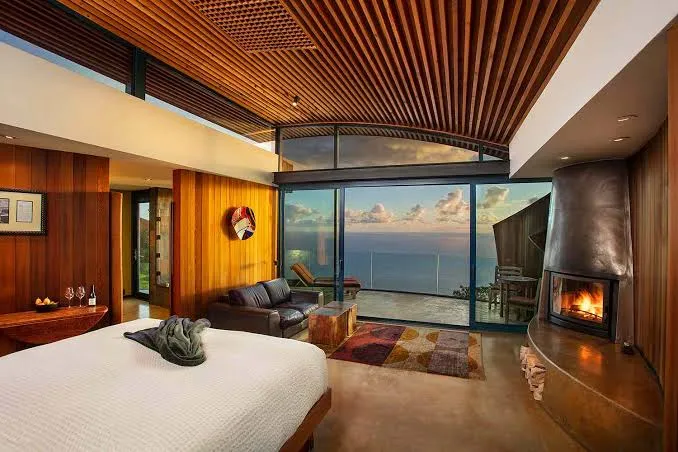
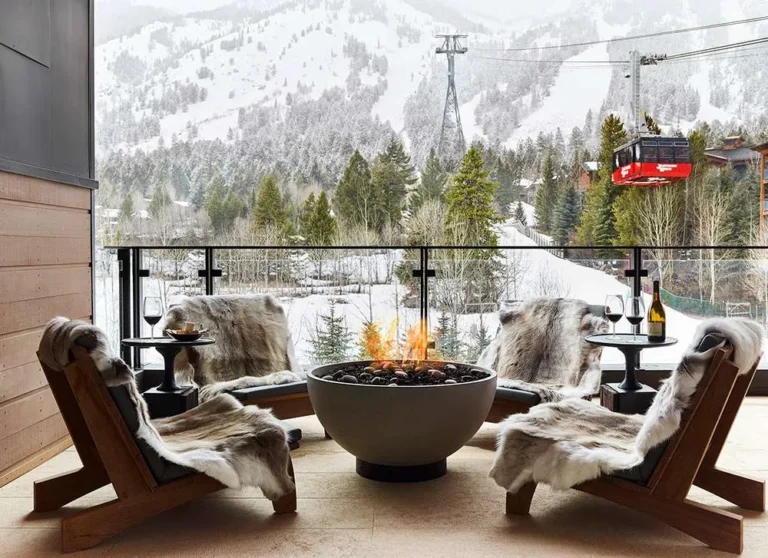
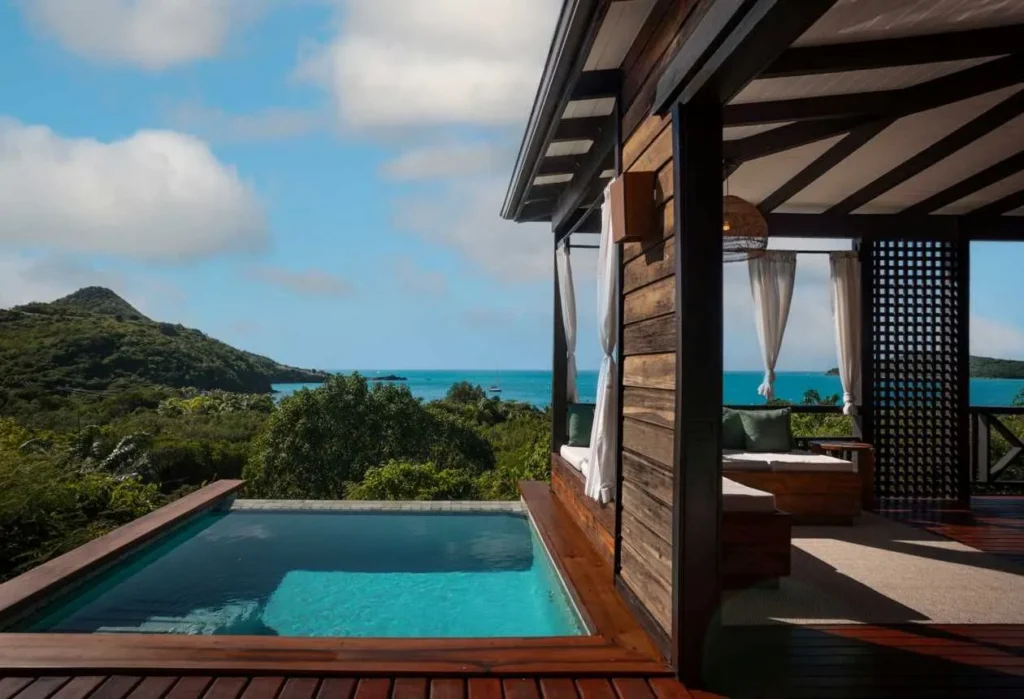
From an architectural standpoint, superior suites feature distinct living zones, outdoor soaking setups, private dining lanais, and acoustic shielding from public estate paths. Service delivery relies on discreet staff access routes, preserving intimate seclusion throughout meal services.
Common Pitfalls
A primary pitfall when researching domestic all-inclusive options is assuming absolute cost coverage. Many properties label themselves as inclusive while placing premium dining cuts, reserve cellar wines, spa treatments, and private guided excursions behind substantial extra charges.
Moreover, spatial privacy varies widely. A luxury standalone chalet on a thousand-acre property grants total isolation, whereas an inclusive suite inside a main historic lodge shares walls, dining rooms, and grounds with other guests.
Deep Contextual Background
Historical American Evolution
The history of all-inclusive lodging in North America evolved through distinct regional movements. Nineteenth-century mountain resorts in the Catskills and Pocono ranges established early full-board retreats, serving three daily meals alongside scheduled social activities.
The Modern Luxury Shift
During the late twentieth century, western wilderness ranches adapted this full-board system to create ultra-luxury private escapes. By combining rustic architecture with fine dining, private equestrian guides, and private cabins, these ranches redefined domestic luxury.
Modern land-use laws and environmental zoning regulations constrain developing new mega-resorts across pristine American landscapes. Consequently, top domestic inclusive properties focus on converting historic ranches, historic estates, or coastal compounds into low-density luxury suites.
Conceptual Frameworks and Mental Models
1. The Frictionless Hospitality Matrix
This framework evaluates how effectively a property eliminates transaction friction without compromising service quality. High-performing properties handle dining choices, activities, and tipping quietly behind the scenes. Poorly managed properties disrupt guest relaxation with constant signature receipts, upselling pitches, and hidden amenity fees.
2. The Density-to-Service Ratio
This model measures total guest capacity against total estate acreage and staffing levels. Lower guest density ensures private dining spaces, uncrowded outdoor trails, and high butler-to-guest ratios. High-density resorts strain shared amenities, compromising the quiet atmosphere essential for honeymoon retreats.
3. The True Inclusion Depth Scale
This framework categorizes properties based on their actual financial transparency. Tier 1 properties cover fine dining, wine cellars, spa services, and transfers completely. Tier 3 properties cover basic meals only, adding fees for alcoholic beverages, outdoor activities, and room service.
Key Categories and Structural Variations
Property Archetypes
Distinct geographic regions across the United States foster unique structural designs for all-inclusive suites. Understanding these categories clarifies structural trade-offs regarding location, privacy, and active programming.
| Category | Primary Geographic Regions | Core Structural Advantages | Key Operational Trade-Offs |
| Wilderness Ranch Estates | Montana, Wyoming, Colorado | Thousands of private acres, standalone log chalets, custom outdoor guides | High seasonal rate spikes, remote flight logistics, cool evening weather |
| Coastal Wellness Sanctuaries | Big Sur, Central Coast California | Cliffside ocean views, integrated spa treatments, organic dining | Rigid wellness schedules, alcohol restrictions at select retreats, high fog |
| Historic Countryside Inns | Vermont, Berkshires, Virginia | Deep historic charm, refined gardens, farm-to-table dining models | Older building acoustics, smaller bathroom footprints, shared main lodge spaces |
| Desert Oasis Pavilions | Arizona, Southern Utah | Striking red rock landscapes, private plunge pools, star-gazing decks | Extreme summer heat, dry climate conditions, long desert drives |
| Sub-Tropical Island Cabins | Florida Keys, Sea Islands | Ocean step-out decks, private docks, included water sports | Humid sea air, shallow water swimming, seasonal tropical storms |
Selection Decision Logic
Selecting the right category depends on lifestyle goals. Couples prioritizing outdoor exploration thrive at wilderness ranches. Guests seeking quiet relaxation prefer coastal wellness sanctuaries or historic country inns.
Detailed Real-World Scenarios
Scenario A: Montana Wilderness Ranch Escapes
A couple books a private luxury cabin at an ultra-inclusive Montana ranch during peak summer.
Environmental Challenges
Variable mountain weather, high elevation sun, remote wilderness access, and wildlife management require careful daily planning.
Strategic Decisions
Choosing between an isolated riverfront cabin or a central lodge suite involves balancing privacy against distance to main dining rooms.
Operational Failures
Selecting a distant cabin without private golf cart access leads to long walks during unexpected rainstorms.
Secondary Consequences
Guests spend extra time commuting across the estate, making clear communication with resort transportation staff critical.
Scenario B: Desert Oasis Wellness Pavilion
A couple reserves an all-inclusive desert pavilion in Southern Utah during shoulder season.
Environmental Challenges
Intense afternoon solar heat, low humidity, dry wind cycles, and cold desert nights demand robust climate controls.
Strategic Decisions
Balancing open glass views with private plunge pool shading requires evaluating seasonal solar paths.
Operational Failures
Choosing a pavilion facing west causes extreme late-afternoon solar heat gain, rendering outdoor decks uncomfortably warm.
Secondary Consequences
Retracting window shades to block heat dims natural light indoors, forcing reliance on artificial lighting during sunset hours.
Planning, Cost, and Resource Dynamics
Financial Structure Analysis
Reserving the best all inclusive honeymoon suites usa involves analyzing comprehensive pricing structures. High-end all-inclusive rates combine lodging, culinary programs, activities, and staff gratuities into a single baseline charge.
Expense Distribution Range
| Expense Category | Budget Allocation (%) | Standard Price Range (Per Night / Stay) | Key Cost Variables |
| Base All-Inclusive Rate | 70% – 80% | $1,800 – $5,500+ / night | Square footage, private plunge pool, included activity depth |
| Administrative Service Charges | 10% – 15% | $200 – $750 / day | Replaces daily tipping; distributes to house staff and guides |
| State & Local Lodging Taxes | 8% – 12% | Variable by county / state | Local occupancy taxes, municipal environmental preservation fees |
| Premium Upgrades | 5% – 10% | $150 – $800 / stay | Reserve cellar wines, helicopter tours, private spa treatments |
Understanding these cost allocations prevents unexpected charges at checkout, allowing guests to relax completely.
Tools, Strategies, and Support Systems
Selection Methodologies
Evaluating premium inclusive properties requires practical strategies that go beyond slick promotional brochures.
-
Inclusion Fine-Print Auditing: Review written policy documents to verify whether alcohol, spa access, and transfers are fully included.
-
Estate Map Analysis: Study property layouts to verify physical distances between guest suites, main dining halls, and service hubs.
-
Direct Butler Coordination: Contact guest relations pre-arrival to set dietary preferences, activity schedules, and housekeeping timing.
-
Seasonal Weather Review: Check historic weather data for microclimate patterns like fog cycles, afternoon heat waves, or rain seasons.
-
Staff Ratio Verification: Confirm staff-to-guest ratios with management to ensure attentive service across the property.
Risk Landscape and Failure Modes
Operational Risk Profiles
High-end all-inclusive stays carry unique operational risks that can impact overall satisfaction if unaddressed.
Mitigating these risks requires vetting property policies, confirming suite seclusion pre-booking, and setting clear service expectations.
Governance, Maintenance, and Long-Term Adaptation
Property Quality Control
Top domestic inclusive resorts utilize rigorous maintenance protocols to preserve high service standards. Sustaining luxury cabins, remote infrastructure, and high-end dining systems requires continuous investment.
Leading properties run extensive shoulder-season maintenance programs. Engineering teams overhaul HVAC systems, re-seal timber chalets, refresh soft furnishings, and retrain service teams to guarantee flawless operations.
Pre-Arrival Verification Protocol
Couples should run through a comprehensive pre-arrival checklist before committing to non-refundable luxury bookings.
-
Request written confirmation detailing exact inclusions, exclusions, and mandatory service fees.
-
Confirm your specific suite location on the official estate map to avoid high-traffic paths.
-
Verify whether major events, like corporate retreats or large weddings, coincide with your stay.
-
Submit detailed dietary preferences and beverage choices to the culinary team two weeks early.
-
Secure advance reservations for high-demand activities, spa treatments, and private dining setups.
Measurement, Tracking, and Evaluation
Critical Quality Indicators
Evaluating luxury all-inclusive properties requires weighing objective operational metrics alongside subjective comfort factors.
Real-World Verification Examples
-
Example 1: Invisible Service Execution. Top estates schedule housekeeping during guest meal times, using discreet sensors to ensure staff never intrude on guests.
-
Example 2: Culinary Flexibility Metrics. Superior properties offer completely custom dining, allowing guests to order off-menu meals tailored to exact preferences.
-
Example 3: Spatial Seclusion Auditing. Premier chalets feature landscaped earth berms or dense forest screens, blocking sightlines from nearby trails and adjacent accommodations.
Common Misconceptions and Oversimplifications
Myth 1: Domestic All-Inclusive Means Mega-Resort Buffets
Travelers often associate all-inclusive stays with massive crowded resorts. In the United States, however, top inclusive properties are intimate luxury estates hosting just 10 to 40 couples, featuring fine dining and personalized service.
Myth 2: All-Inclusive Pricing Is Always More Expensive
High upfront rates can cause sticker shock. Yet when factoring in fine dining, wine pairings, guided excursions, spa credits, and gratuities, an all-inclusive rate often matches or beats à la carte luxury costs.
Myth 3: Private Butlers Compromise Personal Privacy
Some guests fear assigned room butlers will feel intrusive. In reality, professional luxury butlers act as quiet organizers behind the scenes, managing reservations, unpackings, and fireplace setups without disturbing guest privacy.
Ethical, Practical, and Contextual Considerations
Environmental Stewardship
Luxury estates occupying vast natural landscapes bear significant environmental responsibilities. Managing water usage, reducing food waste, and protecting local wildlife require ongoing commitment.
Responsible properties prioritize farm-to-table dining from local growers, utilize solar energy grids, install advanced water recycling, and protect wildlife migration corridors across their land. Supporting sustainable resorts helps preserve wild American landscapes for years to come.
Conclusion
Finding the best all inclusive honeymoon suites usa requires evaluating spatial privacy, true inclusion details, regional formats, and operational execution. By looking past surface marketing to analyze room seclusion, staff ratios, culinary depth, and estate acreage, couples can select an accommodation that delivers total relaxation. Careful research ensures your domestic all-inclusive getaway provides complete comfort, effortless hospitality, and unforgettable memories.