Best Coastal Honeymoon Suites in the US: Definitive Guide
Selecting an elite oceanfront retreat requires balancing architectural privacy, microclimate realities, and logistical dynamics. High-end hospitality marketing frequently blurs the distinction between standard oceanfront rooms and true luxury suites. A suite must offer spatial separation, dedicated outdoor areas, uncompromised sightlines, and acoustic isolation from public amenities. Couples seeking coastal accommodations face a landscape where premium price tags do not always guarantee operational excellence or visual seclusion.
The geography of the United States coastal margin presents vast structural diversity. A cliffside villa in Northern California demands entirely different planning assumptions than a overwater-style bungalow in the Florida Keys or a historic estate along the New England shoreline. Prevailing wind patterns, marine layer behavior, tidal variations, and seasonal population shifts dictate the actual experience within a suite far more than high-thread-count linens or welcome champagne.
Evaluating these accommodations requires a methodical approach. By analyzing room layouts, spatial orientation, service delivery mechanisms, and hidden cost structures, couples can navigate the market with clarity. This definitive reference breaks down the variables that define world-class coastal lodging, establishing clear frameworks to evaluate, select, and reserve properties that match specific honeymoon priorities.
Understanding “Best Coastal Honeymoon Suites in the US”
The Multi-Perspective View
Evaluating the best coastal honeymoon suites in the us requires looking beyond glossy promotional photos. From an architectural perspective, high-performance suites prioritize natural light control, acoustic buffers against crashing surf, and sightlines that prevent public viewing from beach access paths.
From an operational standpoint, top-tier luxury relies on invisible service. The best properties deliver room service, housekeeping, and maintenance through concealed corridors or exterior service access, preserving guest privacy.
Common Misunderstandings and Marketing Pitfalls
A primary pitfall in coastal booking is confusing “ocean view” with “oceanfront.” Properties frequently market rooms with partial, angled blue-water views between adjacent structures under the same luxury tier as direct shoreline units.
Additionally, romantic expectations often run into geographic realities. High cliffs offer dramatic views, but direct water access requires navigating steep stairs or driving to public coves. Conversely, beachfront suites step directly onto the sand, but they expose guests to public foot traffic, early-morning beach grooming equipment, and evening glare from resort pathways.
Deep Contextual Background
The American coastal resort layout evolved significantly over the past century. Early 20th-century luxury grand hotels featured grand communal ballrooms and standardized, compact bedchambers focused on communal social display.
The Evolution of Coastal Architecture
By the mid-1970s, traveler demand shifted toward private luxury. Coastal properties transitioned from high-density single-building structures toward spread-out villa arrangements, low-slung residential pavilions, and dedicated honeymoon casitas.
Modern Environmental Regulations
Modern environmental regulations like the Coastal Zone Management Act of 1972 limited new construction near sensitive coastal shorelines. Existing historic properties maintain non-conforming, ultra-close proximity to the tide line. Newer builds must sit set back behind dunes or elevated bluffs, altering the physical structure of modern luxury suites.
Conceptual Frameworks and Mental Models
1. The Seclusion-Accessibility Spectrum
This model measures the trade-off between isolation and convenience. Ultra-private suites located on remote bluffs require transportation for dining, spa facilities, and local excursions. Highly accessible suites located within main resort footprints offer seamless service access, but they trade away spatial Seclusion.
2. The Microclimate Exposure Model
Coastal environments feature extreme microclimates. Guests must consider windward versus leeward orientations, solar angles, and marine layer persistence. A suite facing west delivers spectacular sunsets, but it generates intense late-afternoon solar heat gain. North-facing suites along rugged coasts offer consistent soft lighting, but they experience sustained dampness and cooler temperatures.
3. The Soundscape Baffling Framework
Coastal soundscapes are dynamic. Continuous high-decibel ocean waves can cause cognitive fatigue over extended stays if acoustic insulation is inadequate. The soundscape framework balances natural ocean acoustics with mechanical insulation, dual-pane glass, and interior structural dampening.
Key Categories and Structural Variations
Defining Suite Layouts
Different regions produce distinct architectural styles for coastal suites. Understanding these structural variations helps set realistic expectations for space, privacy, and environmental conditions.
| Category | Primary Geographic Regions | Core Structural Advantages | Key Operational Trade-Offs |
| Cliffside Oceanfront Pavilions | Big Sur, Mendocino, Oregon Coast | Dramatic elevation, total visual privacy, panoramic ocean horizons | Zero direct beach access, high wind exposure, frequent marine fog |
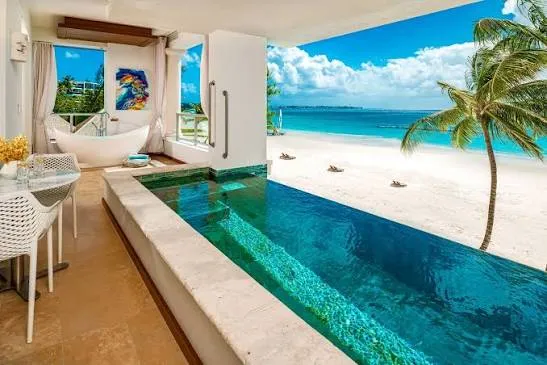
| Barrier Island Beachfront Suites | Outer Banks, Sea Islands, Florida Keys | Direct step-out sand access, warm ocean water, flat terrain | Exposure to public beachgoers, storm vulnerability, high ambient humidity |
| Historic Cape Cod / Island Estates | Nantucket, Martha’s Vineyard, Maine | Deep historic character, refined grounds, sheltered bay harbors | Older soundproofing standards, smaller bathroom footprints, seasonal closures |
| Volcanic Pacific Estates | Hawaiian Islands (Maui, Kauai, Big Island) | Indoor-outdoor lanais, tropical breezes, plunge pools | High ambient humidity, insect presence, complex resort pathway exposure |
| Sub-Tropical Lagoon Suites | Florida Keys, Gulf Coast | Calm water conditions, private docks, kayak access | Shallow water views, muddy bottom marine life, lacking dramatic surf sound |
Decision Logic for Category Selection
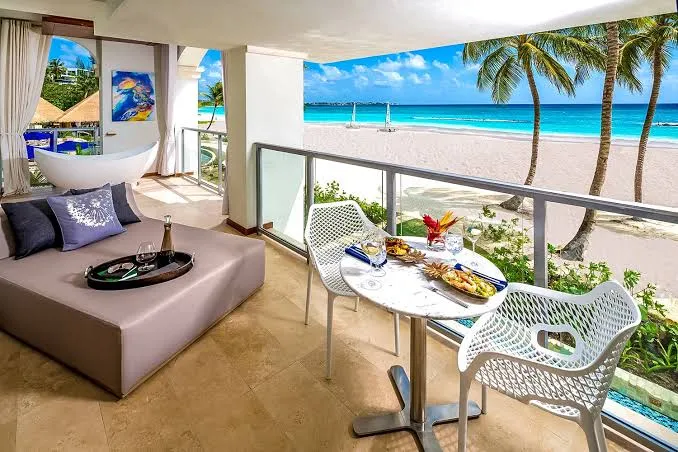
Selecting the right category depends on individual physical priorities. If walking straight onto the sand matters most, barrier island suites excel. If dramatic views and complete isolation are paramount, cliffside pavilions are unmatched.
Detailed Real-World Scenarios
Scenario A: Pacific Northwest Cliffside Sanctuary
A couple books a luxury suite perched on a 200-foot bluff in Big Sur, California during shoulder season.
-
Constraints: High wind shear, intermittent fog, limited cell coverage, steep topography.
-
Decision Point: Choosing between an elevated open-deck suite or a glass-enclosed climate-controlled sanctuary.
-
Failure Mode: Selecting an open outdoor space that becomes unusable due to persistent 25-knot winds and damp marine layer intrusion.
-
Second-Order Effects: Couples spend most of their time inside, making high-end interior heating, fireplace design, and indoor soaking tub placements critical.
Scenario B: South Florida Barrier Island Beachfront
A honeymoon pair books a ground-floor walk-out suite along a Florida barrier island.
-
Constraints: High summer temperatures, public beach easements, heavy sun exposure, intense humidity.
-
Decision Point: Balancing immediate sand access with physical visual screening.
-
Failure Mode: Leaving draperies open for ocean views while exposing the entire living space to beachgoers walking along the public high-water mark.
-
Second-Order Effects: Retracting window coverings for privacy dims natural sunlight, relying entirely on artificial indoor lighting throughout the daytime.
Planning, Cost, and Resource Dynamics
Financial Structure of High-End Suites
Pricing for luxury coastal suites extends well beyond base nightly rates. Transparent budgeting requires factoring in taxes, resort fees, parking, private dining surcharges, and seasonal pricing surges.
Cost Distribution Range Table
| Expense Category | Budget Allocation (%) | Standard Price Range (Per Night / Stay) | Key Cost Variables |
| Base Suite Rate | 60% – 70% | $1,200 – $4,500+ / night | Direct ocean view vs. partial, square footage, private pool inclusions |
| Resort & Facility Fees | 5% – 8% | $50 – $150 / day | Covers private beach access, fitness facilities, house car transportation |
| Occupancy & Coastal Taxes | 10% – 15% | Variable by county / state | Local municipality transient taxes, environmental preservation fees |
| In-Suite Dining & Services | 12% – 20% | $200 – $800 / day | Mandatory auto-gratuities, delivery fees, private chef surcharges |
Understanding these cost allocations prevents unexpected surprises during check-out, allowing couples to focus on their overall stay experience.
Tools, Strategies, and Support Systems
Essential Selection Strategies
To secure the right property, travelers must look beyond marketing decks and utilize actionable evaluation methods.
-
Topographical Map Analysis: Use elevation modeling tools to verify a suite’s actual height above sea level, slope angle, and walk-down distance to the shoreline.
-
Solar Orientation Mapping: Check seasonal sun angles using trajectory software to ensure private plunge pools receive daylight instead of falling under room shadow by mid-afternoon.
-
Direct Concierge Audit: Contact on-site guest operations directly to confirm exact suite room numbers, avoiding surprises from structural variances within the same room class.
-
Satellite Sightline Auditing: Inspect high-resolution aerial imagery to confirm proximity to public parking lots, public beach ramps, or service loading docks.
-
Wind Pattern Review: Check local weather archives for micro-zone wind direction data to evaluate whether outdoor lanais remain comfortable year-round.
Risk Landscape and Failure Modes
Identifying Environmental Vulnerabilities
Staying on the coast introduces environmental vulnerabilities that standard hotel reviews rarely cover.
Mitigating these risks requires vetting room construction standards, confirmation of recent renovations, and selecting optimal travel windows.
Governance, Maintenance, and Long-Term Adaptation
Hotel Quality Assurance Standards
Premier coastal luxury resorts use strict inspection cycles to offset harsh marine environments. Salt air, moisture, and high winds quickly wear down exterior wood, metals, and HVAC units.
A high-performing property schedules routine off-season maintenance overhauls. They replace corroded hardware, re-seal marine glass, treat outdoor decking, and refresh soft furnishings to prevent salt air dampness from impacting guest comfort.
Pre-Arrival Verification Protocol
Couples should complete a structured checklist before finalizing non-refundable suite reservations.
-
Request written confirmation of the specific room number and physical location within the property footprint.
-
Confirm whether public beach access paths cross directly in front of the suite terrace.
-
Verify direct, unhindered ocean views clear of growing dune vegetation or trees.
-
Confirm the operating dates for nearby pools, restaurants, or on-site construction projects.
-
Request room assignment on the upper floor if ground-level walk-outs face public walkways.
Measurement, Tracking, and Evaluation
Indicators of True Luxury Suites
Distinguishing a world-class resort from a standard property requires analyzing clear operational metrics.
Documentation and Verification Examples
-
Example 1: Acoustic Insulation Performance. High-grade properties utilize laminated acoustic glass assemblies rating STC 45 or higher, reducing heavy ocean noise down to an ambient background hum.
-
Example 2: Visual Seclusion Engineering. Properly designed terraces use angled cedar louvers or frosted glass panels, blocking side views from adjacent rooms without cutting off forward ocean views.
-
Example 3: Thermal Comfort Management. High-performance suites use dual-zone HVAC systems tied to exterior humidity sensors, holding indoor humidity below 45% even during damp ocean fogs.
Common Misconceptions and Oversimplifications
Myth 1: Beachfront Always Outperforms Ocean View
Many travelers assume stepping right onto the sand is always superior. However, elevated ocean-view suites on bluffs or upper floors often provide superior visual privacy, wider horizon views, fewer insects, and freedom from public beach noise.
Myth 2: Panoramic Glass Guarantees Great Living Spaces
Floor-to-ceiling glass looks stunning in photography. Yet without automated interior solar shades, high-E coatings, or proper roof overhangs, all-glass rooms can transform into high-heat greenhouses during sunny late afternoons.
Myth 3: Off-Peak Seasons Offer the Same Suite Experience
Booking off-peak dates saves money, but coastal microclimates change dramatically. Off-season months can bring high winds, persistent fog layers, cold ocean currents, and reduced resort operations that close outdoor dining and pool amenities.
Ethical, Practical, and Contextual Considerations
Coastal Dune and Wildlife Preservation
Luxury coastal tourism sits within delicate natural ecosystems. High-foot-traffic coastal developments can disrupt dune vegetation, accelerate shoreline erosion, and threaten native wildlife habitats.
Properties committed to long-term sustainability use raised boardwalks over sensitive dunes, install turtle-friendly nighttime lighting systems, and utilize low-impact water filtration facilities. Choosing environmentally responsible properties helps preserve delicate coastal margins for future generations.
Conclusion
Finding the best coastal honeymoon suites in the us requires balancing realistic microclimate conditions, architectural design details, financial structures, and operational quality. By moving past standard marketing imagery and analyzing layout seclusion, soundproofing standards, solar exposures, and seasonal weather patterns, couples can select accommodations that deliver an uncompromised oceanfront experience. Careful planning and thorough vetting ensure your coastal getaway provides seamless comfort, deep privacy, and lasting memories.