Top Mountain Honeymoon Suites America: Strategic Planning Guide
High-altitude hospitality requires balancing architectural seclusion, microclimate dynamics, and operational logistics. Resort brochures frequently label basic timber cabins or standard slopeside hotel rooms as premier romantic sanctuaries. A authentic mountain suite must provide spatial division, dedicated hearth elements, unhindered ridgeline sightlines, and structural acoustic isolation from public ski infrastructure. Couples seeking alpine retreats navigate an environment where high rates do not always ensure quiet operations or environmental comfort.
The mountain geography across North America exhibits wide structural variation. A granite-cliff chalet in the Rocky Mountains demands fundamentally different preparation than a hardwood cabin in the Great Smoky Mountains or a timber estate in the Pacific Northwest. Local wind corridors, thermal inversions, heavy snowpack loads, and seasonal road conditions shape the daily experience far more than interior furnishings.
Evaluating these elevated properties requires a rigorous methodology. Analyzing structural footprints, orientation angles, thermal efficiency systems, and hidden fee structures enables travelers to navigate choices with precision. This reference breaks down critical variables defining mountain lodging, establishing clear models to evaluate, select, and reserve properties matching specific honeymoon goals.
Understanding “Top Mountain Honeymoon Suites America”
Perspective Analysis
Evaluating the top mountain honeymoon suites america demands going beyond exterior photo galleries. From an architectural perspective, premier alpine suites prioritize high-efficiency thermal envelopes, soundproof floor assemblies against structural snow removal, and window angles that eliminate sightlines from adjacent ski trails.
From an operational standpoint, true mountain luxury relies on unobtrusive service execution. The best properties handle firewood supply, hot tub maintenance, and private dining through external access points, protecting internal privacy.
Clarifying Technical Realities
A major misstep in mountain bookings is confusing slopeside proximity with peaceful seclusion. Properties regularly market suites adjacent to main chairlifts or gondola bases under top luxury categories.
Furthermore, romantic expectations frequently collide with elevation dynamics. High peak villas offer sweeping views, but lower barometric pressure can cause altitude sickness without climate enrichment. Low-valley cabins offer rich forest cover, yet mountain shadows cut afternoon sun drastically.
Deep Contextual Background
Historical Alpine Evolution
American mountain lodge design transformed over the last century. Early twentieth-century railroad hotels featured grand central hearths and compact guest chambers centered around communal dining halls.
Modern Environmental Shift
By the late 1980s, high-end guest expectations shifted toward fully independent luxury units. Mountain properties evolved away from single-structure hotels, embracing spread-out chalet clusters, detached timber frame villas, and dedicated honeymoon cabins.
Strict modern land-use regulations like the National Forest Management Act limit expanding new construction on public alpine zones. Existing historic lodges hold non-conforming proximity to protected wilderness zones, whereas modern builds must set back further, altering structural layouts entirely.
Conceptual Frameworks and Mental Models
1. The Isolation-Accessibility Vector
This framework evaluates the balance between physical privacy and operational logistics. Remote backcountry suites require snowmobiles or private transfers for dining access. Suites attached to central village lodges offer immediate service access while giving up outdoor solitude.
2. The Solar-Thermal Orientation Model
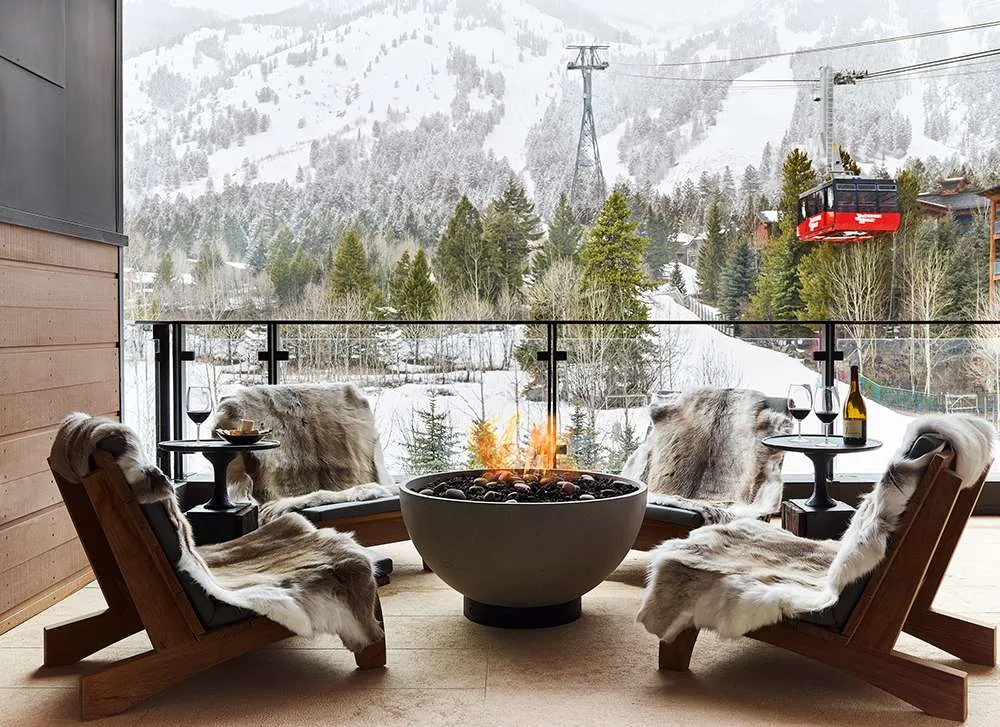
High-altitude regions experience dramatic temperature swings. Guests must account for valley shadows, thermal envelope performance, and solar angles. A south-facing suite glass wall collects valuable winter heat, but North-facing mountain glass stays cold and requires constant interior hearth operation.
3. The Alpine Soundscape Baffling Framework
Mountain environments contain unique noise profiles. Early snow-grooming machinery, ski resort blasting, and howling ridge winds disturb sleep if structural dampening fails. This framework balances natural mountain silence against mechanical soundproofing, triple-pane glass, and isolated wall construction.
Key Categories and Structural Variations
Structural Breakdown
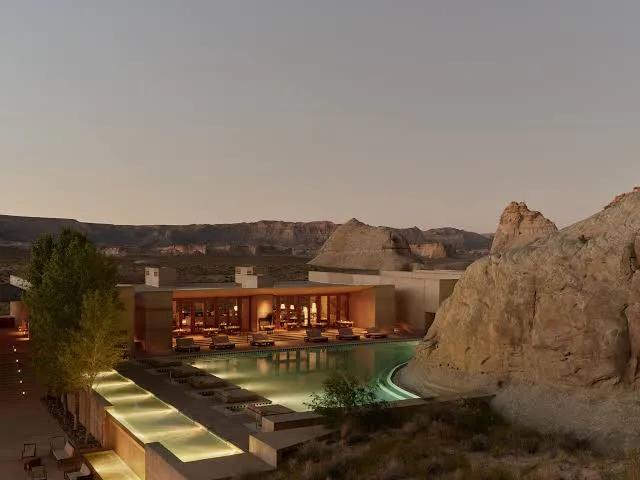
Distinct geographic zones across America yield unique architectural styles for mountain suites. Regional variations dictate overall layout, heating efficiency, and physical privacy.
| Category | Primary Geographic Regions | Core Structural Advantages | Key Operational Trade-Offs |
| High-Alpine Crest Chalets | Colorado Rockies, Wasatch Range | Panoramic peaks, ski-in access, high ceilings | High altitude effects, cold wind exposure, steep access routes |
| Dense Hardwood Cabins | Blue Ridge, Great Smoky Mountains | Deep forest privacy, gentle climate, rich historic woodwork | Lower elevation views, damp air, summer insect activity |
| Pacific Rim Timber Villas | Cascades, Olympic Peninsula | Massive timber frames, lush moss environments, cedar baths | Frequent rain cycles, heavy overcast skies, high wood dampness |
| Glacial Valley Lodges | Grand Teton Range, Montana Valleys | Sweeping flat valley views, wide open space, big skies | Deep winter freezes, distance to town hubs, high wind drafts |
| Granite Ledge Estates | Sierra Nevada, Lake Tahoe | Massive stone construction, lake views, bold rock integration | Complex multi-level stairs, high summer crowd proximity, dry air |
Structural Selection Tree
Selecting the right category depends on physical preferences. If immediate access to slopes dominates, alpine chalets rank highest. If quiet isolation amidst trees is preferred, hardwood forest cabins excel.
Detailed Real-World Scenarios
Scenario A: Rocky Mountain Crest Retreat
A couple reserves an ultra-luxury suite at 9,500 feet in Telluride during peak January conditions.
Environmental Challenges
Severe sub-zero cold, low humidity, high altitude, heavy snowfall, and morning avalanche mitigation noise present constant challenges.
Strategic Decisions
Choosing between an elevated glass observation suite or an insulated stone-timber sanctuary requires evaluating thermal comfort against panoramic exposure.
Operational Failures
Selecting an unshielded glass terrace leaves outdoor space unusable during 35-knot wind spikes and extreme wind chills.
Secondary Consequences
Guests remain indoors continuously, making high-end hearth heating, oxygen enrichment systems, and indoor soak tubs essential.
Scenario B: Smoky Mountain Ridge Cabin
A honeymoon pair books a ridge-top hardwood suite in Tennessee during late autumn.
Environmental Challenges
Variable mountain fog, narrow gravel access roads, wild animal encounters, and damp air shifts affect daily operations.
Strategic Decisions
Balancing an open ridge view against wind protection requires choosing proper tree canopy screening.
Operational Failures
Choosing a cabin deep in a ravine blocks sun exposure completely, keeping indoor spaces dark and chilly all day.
Secondary Consequences
Relying on artificial lighting continuously degrades the expected natural mountain experience, forcing heavy fireplace usage for warmth.
Planning, Cost, and Resource Dynamics
High-Altitude Financial Breakdown
Reserving the top mountain honeymoon suites america requires looking beyond basic nightly rates. Complete budgeting accounts for resort fees, altitude support services, firewood delivery, private transportation, and seasonal rate spikes.
Expense Distribution Range
| Expense Category | Budget Allocation (%) | Standard Price Range (Per Night / Stay) | Key Cost Variables |
| Base Suite Rate | 65% – 75% | $1,100 – $4,200+ / night | Ski-in status, private hot tub, square footage, peak holiday dates |
| Resort & Trail Fees | 4% – 8% | $40 – $120 / day | Covers private slope access, heated boot lockers, shuttle service |
| Local Occupancy Taxes | 10% – 14% | Variable by county / state | Local municipal tourism taxes, environmental infrastructure fees |
| In-Suite Dining & Hearth | 8% – 13% | $150 – $600 / day | Firewood delivery, private chef services, automatic gratuities |
Understanding these cost categories eliminates checkout surprises, letting couples focus entirely on their mountain stay.
Tools, Strategies, and Support Systems
Selection Methods
To select the ideal alpine property, travelers must use practical evaluation techniques rather than standard brochure images.
-
Topographic Elevation Analysis: Use topographic maps to verify a suite’s actual altitude, slope steepness, and road incline conditions.
-
Solar Shadow Mapping: Analyze mountain ridgeline shadow patterns to ensure outdoor decks receive sunlight during cold winter afternoons.
-
Direct Concierge Inquiry: Speak directly with on-site staff to confirm precise suite numbers, avoiding placement near noisy resort utility spaces.
-
Access Route Inspection: Check aerial satellite views to confirm whether access roads are paved or rough unpaved gravel paths.
-
Acoustic Buffer Assessment: Review resort maps to verify distance from main ski lifts, snowmaking guns, and maintenance sheds.
Risk Landscape and Failure Modes
Environmental Hazards
High-altitude properties introduce distinct operational hazards that standard hotel reviews rarely address.
Preventing these disruptions requires inspecting building insulation standards, verifying backup power systems, and selecting suitable seasonal windows.
Governance, Maintenance, and Long-Term Adaptation
Resort Quality Control
Premier alpine lodges enforce strict maintenance schedules to combat harsh mountain weather. Freezing cycles, heavy snow loads, and intense UV exposure wear down exterior wood, roofs, and heating systems quickly.
High-performing resorts perform detailed shoulder-season overhauls. Staff re-seal exterior timber, service chimney flues, inspect heating zones, and check window seals to keep guest spaces warm and quiet.
Pre-Arrival Checklist
Couples should complete a structured verification sequence before finalizing non-refundable alpine suite bookings.
-
Request written confirmation of the exact suite unit number and its position on the resort ground map.
-
Confirm whether ski slopes or public trails run directly past the private deck.
-
Verify unobstructed ridgeline views clear of tall trees or expanding resort structures.
-
Confirm operating schedules for local gondolas, dining venues, and road clearance services.
-
Request a suite away from heavy mechanical equipment, main boilers, or maintenance storage areas.
Measurement, Tracking, and Evaluation
Quality Metrics
Evaluating a true high-altitude luxury suite requires assessing objective performance metrics alongside comfort features.
Verification Examples
-
Example 1: Acoustic Soundproofing Performance. Top-tier mountain chalets use triple-pane acoustic window assemblies rating STC 48 or higher, reducing heavy wind howls down to a gentle background murmur.
-
Example 2: Visual Privacy Engineering. Expertly designed terraces feature offset timber louvers, blocking views from adjacent suites while keeping expansive mountain valley sightlines wide open.
-
Example 3: Indoor Climate Regulation. Advanced mountain suites employ multi-stage climate systems linked to outdoor temperature sensors, keeping indoor humidity at a comfortable 40% despite freezing exterior air.
Common Misconceptions and Oversimplifications
Myth 1: Slopeside Location Always Delivers the Best Experience
Many travelers assume ski-in ski-out access represents the peak of mountain luxury. However, suites elevated above ski trails frequently provide vastly superior quietness, panoramic peak views, better sun exposure, and total freedom from daytime skier noise.
Myth 2: Panoramic Glass Walls Guarantee Interior Comfort
Large glass walls look spectacular in promotional photography. Yet without heated glass elements, high-efficiency coatings, or proper floor vents, extensive windows create cold drafts and heavy radiant heat loss during freezing winter nights.
Myth 3: Off-Peak Seasons Offer Identical Mountain Magic
Booking off-peak months cuts rates significantly, but alpine environments shift dramatically. Mud season brings melting snowpack, closed lift systems, limited dining operations, and unpaved mountain roads that turn into thick tracks.
Ethical, Practical, and Contextual Considerations
Mountain Ecosystem Stewardship
High-altitude tourism impacts fragile alpine environments directly. Extensive slope development can disrupt wildlife corridors, alter natural water runoff paths, and increase strain on small mountain communities.
Resorts committed to sustainable practices utilize advanced wastewater processing, install energy-efficient geothermal heating, build with reclaimed timber, and support local land conservation efforts. Choosing environmentally conscious lodges helps protect delicate mountain ecosystems for future generations.
Conclusion
Selecting from among the top mountain honeymoon suites america requires balancing altitude realities, structural design features, financial variables, and seasonal conditions. Moving past surface marketing photos to evaluate layout privacy, heating efficiency, solar orientation, and local weather patterns ensures a superior stay. Careful planning and thorough vetting guarantee your high-altitude escape provides exceptional warmth, absolute privacy, and enduring memories.