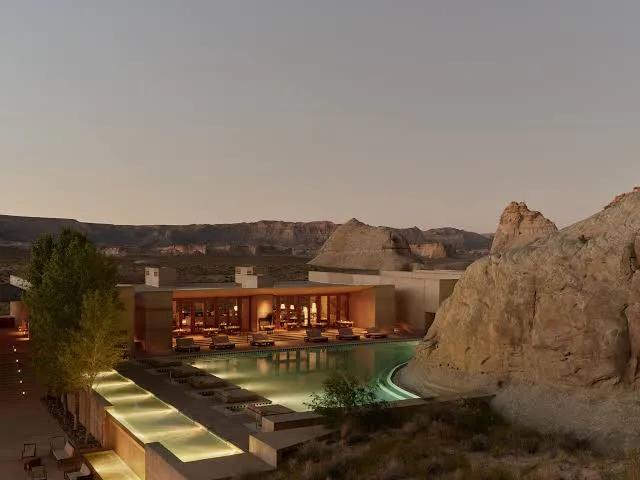
Top Secluded Honeymoon Destinations America: Travel Guide
Selecting isolated leisure retreats within the United States involves balancing geographical accessibility against genuine physical privacy. Many travel itineraries confuse seasonal remoteness with actual spatial isolation. True seclusion requires analyzing land-use patterns, regional visitor densities, local transport links, and luxury room availability. Modern travel infrastructure makes absolute solitude rare, so planners must evaluate micro-climates, private acreage boundaries, and exclusive access rights.
Complex Dynamics of Domestic Retreats
Domestic travel allows couples to bypass long international transit, customs delays, and complex currency exchanges. However, popular American resort areas often face seasonal overcrowding. National parks, coastal corridors, and mountain towns frequently see sharp surges in visitor numbers. Achieving real privacy requires booking specialized private ranches, barrier island estates, or remote desert properties with restricted access.
Scope of the Geographic Framework
This comprehensive reference presents a clear methodology for identifying, evaluating, and booking high-privacy domestic itineraries. Examining geographical terrain, seasonal weather windows, property access rules, and structural trade-offs reveals key privacy factors. The following sections outline a structured decision framework for evaluating top-tier remote properties across North America. This analytical approach ensures allocated travel capital yields genuine quiet, spatial comfort, and high operational safety.
Understanding “Top Secluded Honeymoon Destinations America”
Deconstructing Spatial Isolation
Evaluating top secluded honeymoon destinations america requires distinguishing between visual beauty and operational privacy. Many marketed destinations feature stunning natural landscapes but suffer from shared trail networks, busy roads, or nearby public access points.
Subheading: Analyzing Spatial Privacy Factors
Core Isolation Requirements
Evaluating private retreats requires checking four distinct spatial layers before confirming reservations.
Spatial Verification Process
Securing high-privacy retreats requires detailed audits of property boundaries, public right-of-way easements, noise corridors, and seasonal tourist movements.
Deep Contextual Background
Historical Shifts in Private Leisure Travel
The design of remote American retreats has evolved significantly over the last century. Historically, wealthy travelers sought refuge in exclusive wilderness camps, such as the Adirondack Great Camps of the late nineteenth century.
Expansion of Private Enclaves
During the early 2000s, luxury hospitality brands expanded footprint by buying vast private tracts in the American West, New England, and the Pacific Northwest. Properties shifted toward low-density designs that feature detached pavilions, private plunge pools, and controlled access gates.
This structural shift unbundled luxury accommodation from dense hotel towers, placing high value on physical space and quiet. Modern travelers now prioritize spatial buffers, exclusive wildlife viewing, and dedicated staff support over simple decorative luxury.
Conceptual Frameworks and Mental Models
Subheading: Evaluating Privacy Models
1. The Keys-per-Acreage Index (KPAI)
This framework measures physical privacy by dividing total property acreage by the total number of guest units. Lower density scores indicate superior spatial separation.
2. The Transit Friction Gradient
This model evaluates privacy levels by measuring the time, transfer steps, and specialized transport needed to reach a property from major transit hubs.
3. The Visual and Acoustic Shielding Matrix
This framework assesses room privacy by examining natural terrain barriers, vegetative density, architectural soundproofing, and sightline coverage.
Key Categories or Variations
Regional Seclusion Patterns
Analyzing primary American regions reveals distinct seclusion profiles across desert enclaves, mountain ranches, coastal estates, and island sanctuaries.
| Destination Category | Primary Seclusion Driver | Operational Trade-Offs | Ideal Booking Window |
| Western Luxury Ranches | Massive acreage, low key counts | Complex flight connections, high tariffs | May to October (Wilderness) |
| Desert Canyon Resorts | Natural red-rock topography | High summer heat, limited water features | October to April (Mild Weather) |
| Pacific Northwest Lodges | Coastal rainforest buffers | Seasonal rainfall, cooler ocean temps | June to September (Dry Season) |
| New England Coastal Estates | Private peninsula positioning | Brief summer season, high demand | July to September (Peak Warmth) |
| Barrier Island Sanctuaries | Restricted ferry/boat access | Weather risks, limited dining choices | November to April (Southern Islands) |
Detailed Real-World Scenarios
Subheading: Analyzing Scenario A: The Mountain Ranch Retreat
Scenario A: The Mountain Ranch Retreat
A couple books a luxury cabin at a remote Montana ranch for seven nights in September.
Environmental Context
Early autumn weather brings clear days, crisp nights, active wildlife patterns, and reduced regional family travel.
Financial Decisions and Pitfalls
The travelers focused on the baseline daily rate of $2,800 ($19,600 base total). They overlooked mandatory 20% resort service charges, private fly-fishing guide fees, and $1,200 round-trip regional airport transfers.
Operational Impacts
Unbudgeted service charges and transfer costs added 28% to the final invoice, forcing reductions in planned spa activities.
Budget Adjustments
Future wilderness itineraries require pre-auditing all mandatory service fees and private transfer costs during contract reviews.
Subheading: Analyzing Scenario B: The Coastal Island Hideaway
Scenario B: The Coastal Island Hideaway
A couple books an exclusive villa on a private Georgia barrier island for five nights in May.
Environmental Context
Springtime coastal weather offers warm temperatures, low rainfall, and active marine wildlife before summer humidity arrives.
Financial Decisions and Pitfalls
The travelers booked an oceanfront villa at $2,200 per night ($11,000 base total). They assumed public ferry schedules would match their flight arrival times, missing the final boat connection.
Operational Impacts
A flight delay caused the missed ferry connection, forcing an expensive last-minute private water taxi transfer in the dark.
Budget Adjustments
Island itineraries now mandate booking private charter transfers or scheduling a mainland buffer night before boat transit.
Planning, Cost, and Resource Dynamics
Capital Structuring for Secluded Retreats
Allocating capital for remote luxury destinations requires balancing baseline lodging, specialized private transfers, guide services, and mandatory property surcharges.
Expense Distribution Metrics
| Expense Category | Typical Cost Share (%) | Average Price Multipliers | Operational Value Drivers |
| Base Property Tariff | 50% – 60% of budget | 1.0x baseline metric | Acreage access, cabin separation, view quality |
| Mandatory Service Fees | 15% – 20% of base rate | 1.15x – 1.20x base rate | Staff gratuities, property maintenance, security |
| Specialized Transfers | 10% – 15% of budget | 1.10x – 1.15x transport | Helicopter shuttles, private boats, 4×4 vehicles |
| Guided Excursions | 10% – 15% of budget | 1.10x – 1.15x activity | Private fly-fishing, equestrian, backcountry access |
Tools, Strategies, and Support Systems
Practical Verification Steps
Travelers can apply direct verification steps to audit private properties before confirming reservations.
Subheading: Essential Steps for Property Verification
-
Calculate the Keys-per-Acreage Ratio: Divide total property acreage by total rooms to confirm real physical spatial buffers.
-
Review Perimeter Rights-of-Way: Check for public hiking trails, roads, or beach access points near guest cabins.
-
Audit Private Transfer Times: Verify flight, boat, or vehicle schedules to prevent transit gaps.
-
Confirm In-Villa Dining Options: Ensure the property offers complete in-room culinary service for maximum solitude.
-
Establish Emergency Medical Protocols: Verify remote medical evacuation coverage and local hospital response times.
Risk Landscape and Failure Modes
Taxonomy of Seclusion Risks
Failing to account for geography, weather, and access rules can compromise privacy and disrupt travel plans.
Governance, Maintenance, and Long-Term Adaptation
Subheading: Managing Seasonal Booking Cycles
Review Cycles and Inventory Booking
Luxury remote properties maintain small room inventories, often operating with fewer than twenty total keys. Consequently, prime dates book up six to twelve months in advance.
Reviewing property availability nine months before departure ensures access to top detached cabins and prime seasonal weather windows.
Subheading: Final Pre-Booking Audit Checklist
Pre-Booking Checklist
Review these critical items before confirming final contracts for high-privacy destinations.
-
Confirm the property offers a low key-to-acreage ratio for high spatial privacy.
-
Check that no public roads, trails, or beaches cross directly near your room.
-
Verify private airport or boat transfer schedules match commercial flight arrivals.
-
Audit all mandatory resort service charges and local lodging taxes.
-
Confirm remote medical evacuation insurance covers all planned backcountry activities.
Measurement, Tracking, and Evaluation
Critical Destination Metrics
Evaluating remote luxury retreats requires monitoring both quantitative spatial metrics and qualitative privacy factors.
Real-World Evaluation Examples
-
Example 1: Density Ratio Check. A ranch featuring 20 cabins across 6,000 acres yields 300 acres per key, indicating exceptional physical privacy.
-
Example 2: Transit Friction Audit. Requiring a commercial flight, a regional prop flight, and a 90-minute dirt road drive filters out general day-trip crowds.
-
Example 3: Boundary Protection Check. Confirming private ownership of both riverbanks ensures exclusive, uncrowded fly-fishing access.
Common Misconceptions and Oversimplifications
Subheading: Correcting Remote Travel Myths
Myth 1: Remote National Park Lodges Offer Complete Seclusion
National park lodges sit within public lands that draw millions of annual visitors. True seclusion requires booking private properties outside park gates.
Myth 2: High Nightly Rates Guarantee Total Silence
High rates reflect luxury service and fine dining, not quiet. Without structural spatial buffers, sound from central swimming pools or dining terraces travels easily.
Myth 3: Off-Grid Resorts Lack Modern Comforts
Modern remote retreats feature private solar arrays, satellite internet, luxury climate control, and full culinary programs, combining comfort with deep solitude.
Ethical, Practical, or Contextual Considerations
Environmental and Community Impact
Booking remote domestic destinations requires balancing personal privacy with local environmental and community impacts. Off-grid resorts draw heavily on local water, power, and land resources.
Choosing eco-conscious properties, respecting local wildlife corridors, and supporting regional conservation funds helps protect pristine wilderness areas. Responsible travel choices ensure these unique landscapes remain healthy for future generations.
Conclusion
Identifying top secluded honeymoon destinations america requires evaluating real physical space, spatial density, and transit friction rather than relying on promotional photos alone. Finding genuine solitude demands auditing property acreage, public access rights, and seasonal crowd dynamics before booking. By balancing baseline tariffs against specialized transit costs and mandatory service fees, couples secure exceptional privacy and comfort. Careful planning transforms domestic travel into a peaceful, deeply refreshing retreat.