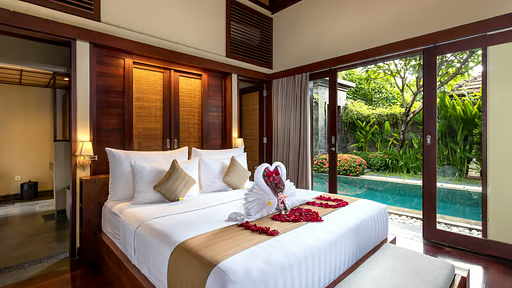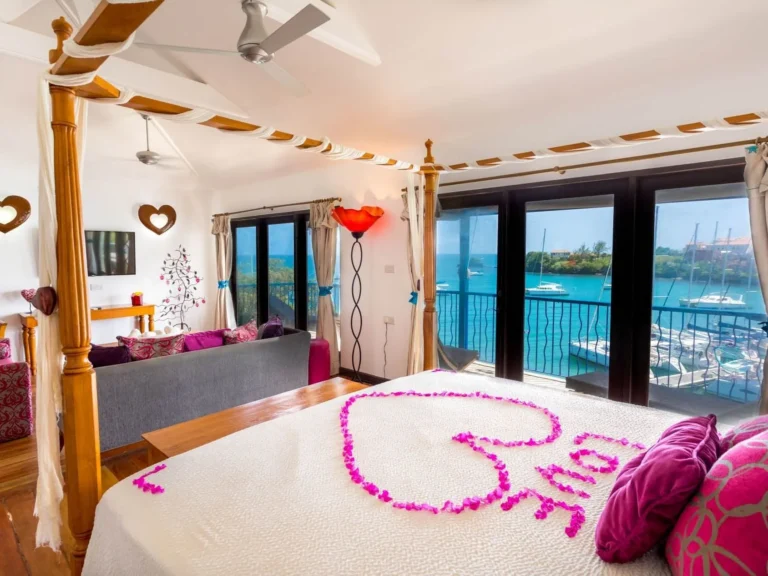
Top Oceanfront Honeymoon Suite Options: Complete Selection Guide
Selecting an oceanfront honeymoon suite involves balancing personal preferences with architectural layout, microclimate variations, and property management models. Travelers often evaluate coastal accommodations based on initial visual appeal or superficial proximity to the shoreline. Comprehensive planning requires analyzing how room orientation, building materials, and tidal shifts affect privacy, acoustic comfort, and access.
The luxury travel market features diverse beachfront structures ranging from elevated overwater bungalows to cliffside villas. Each design category serves distinct aesthetic and functional goals while introducing specific tradeoffs regarding structural exposure, wind dynamics, and foot traffic. A rigorous evaluation accounts for physical orientation, seasonality, room features, and property operations to select appropriate accommodations.
A robust framework helps travelers look beyond promotional materials and identify the underlying parameters of high-end lodging. Evaluating properties through structural layout, climate patterns, and service frameworks helps avoid common booking errors. The following analysis provides clear guidelines for evaluating high-end oceanfront honeymoon suites.
Table of Contents
ToggleUnderstanding Top Oceanfront Honeymoon Suite Options
The term “oceanfront” often lacks uniform standard definitions across the global hospitality sector. Properties frequently confuse direct water frontage with partial ocean views, leading to mismatched expectations upon arrival. Defining the true parameters of top oceanfront honeymoon suite options requires examining spatial proximity, unobstructed sightlines, and exclusive water access.
Spatial Orientation and Coastal Boundaries
Physical orientation relative to the water determines light exposure, ambient noise, and wind shelter. True oceanfront suites face the shoreline directly without intervening structures, public walkways, or road corridors.
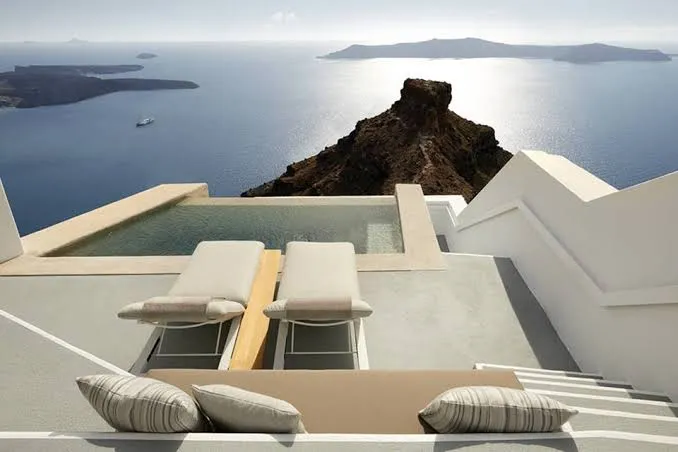
Properties positioned on high elevation cliffs present panoramic vistas, but they disconnect guests from direct water access. Low-elevation beachfront suites provide immediate access to the shore, yet they face challenges from public beach traffic, spray, and tidal shifts.
Architectural Layout and Privacy Enclosures
Architectural layout defines how a suite balances views with privacy. Glass-heavy modern architecture maximizes sightlines, but it can compromise seclusion without strategic greenery, directional fins, or privacy glass.
High-performing designs use tiered layouts, recessed terraces, and native vegetation screens to preserve private outdoor areas while keeping open views of the ocean horizon.
Deep Contextual Background and Evolution
Luxury coastal accommodations transformed significantly over the late twentieth and early twenty-first centuries. Early resort architecture relied on centralized multi-story hotel blocks facing ocean views from small, uniform balconies. Modern design prioritizes low-density footprints, spatial independence, and seamless indoor-outdoor living spaces tailored to high-end travel markets.
Structural Evolution of Resort Architecture
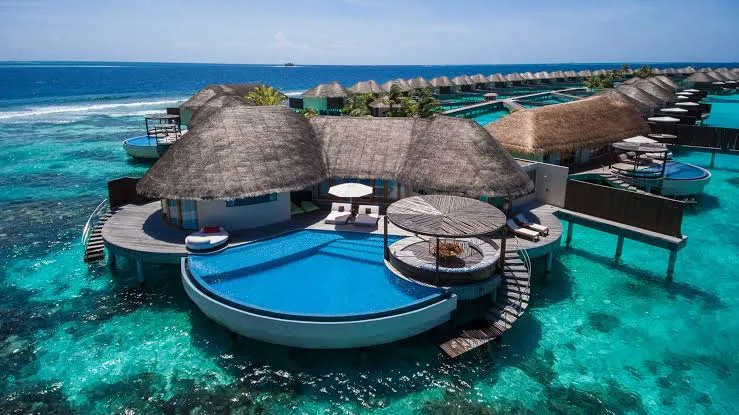
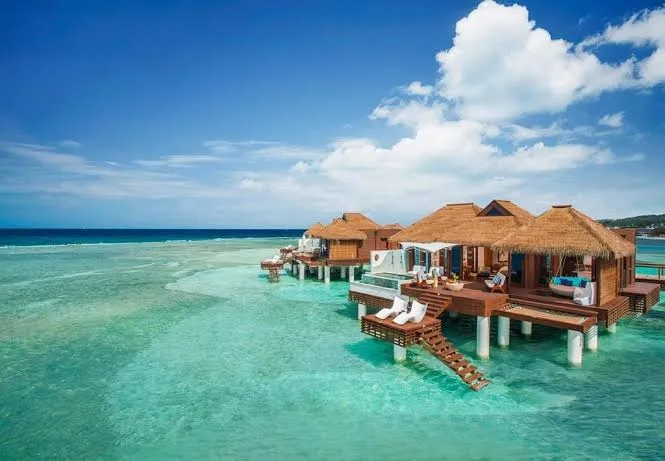
The introduction of overwater bungalows in French Polynesia set a new global standard for high-end water-focused lodging. Developers applied this concept across diverse regions, adapting construction to account for unique coastal dynamics, coral reef ecosystems, and local climate patterns.
As travelers demanded greater autonomy, properties replaced standard room configurations with expansive residential-style suites equipped with private plunge pools, outdoor rainfall showers, and dedicated dining spaces.
Environmental Integration and Sustainability Shifts
Modern resort planning integrates regional coastal dynamics into master building plans. Developers increasingly analyze wave energy patterns, sand erosion rates, and seasonal wind trends before breaking ground.
Modern high-end oceanfront honeymoon suites feature sustainably sourced timber, erosion control systems, and specialized window coatings to lower energy consumption while protecting nearby marine habitats.
Conceptual Frameworks for Suite Evaluation
Analyzing complex coastal properties requires structured mental models that balance diverse environmental, physical, and operational variables.
The Exposure-Privacy Paradox Framework
The Exposure-Privacy Paradox addresses the natural tension between panoramic open views and personal seclusion. Suites with wide ocean views often remain visible from nearby public beaches, boat lanes, or neighboring rooms.
Balancing this paradox requires examining structural recessed zones, directional exterior walls, and native landscaping. Evaluating these design choices ensures open visual access does not compromise personal privacy.
The Microclimate Micro-Zoning Model
Coastal zones feature distinct microclimates across small geographical areas. Sea breezes, humidity, salt air accumulation, and solar glare change significantly between direct water lines and elevated coastal bluffs.
-
Solar Exposure: Direct west-facing suites maximize sunset views, but they accumulate heavy interior heat without passive thermal insulation.
-
Acoustic Intensity: Continuous high-decibel ocean waves create background noise that can disrupt sleep patterns without proper soundproof window assemblies.
-
Salt-Air Spray: Structural fixtures close to sea spray require continuous maintenance to prevent structural damage and keep glass clear.
Key Categories and Architectural Variations
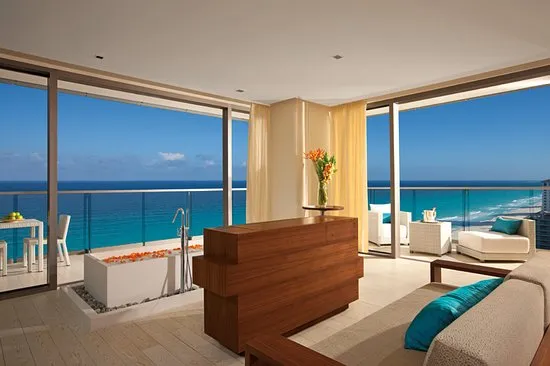
Luxury travelers can choose from several structural configurations, each presenting unique benefits and physical limitations.
Category Overview and Tradeoffs
Overwater bungalows offer direct access to marine life, but they experience structural vibration from wave action and provide limited land access. Cliffside sanctuaries provide total privacy and expansive ocean views, but they depend heavily on continuous incline transportation systems like funiculars or golf carts. Beachfront dune villas offer direct steps to the sand, yet they require continuous maintenance to clear windblown sand and manage shoreline traffic.
| Suite Category | Primary Advantage | Operational Vulnerability | Privacy Profile | Shoreline Access |
|---|---|---|---|---|
| Overwater Bungalow | Direct lagoon access | Marine corrosion & wave noise | Moderate | Ladder to lagoon |
| Cliffside Villa | Panoramic ocean views | Elevator/cart dependence | Very High | Indirect / Shuttled |
| Beachfront Dune Villa | Step-out sand access | Public foot traffic & drift | Variable | Direct immediate step |
| Integrated Resort Suite | Access to central amenities | Shared wall vibrations | Low to Moderate | Common boardwalk |
Decision Logic for Category Selection
-
Identify whether direct water access or visual isolation is the primary goal.
-
If direct ocean immersion is preferred, evaluate water-level overwater structures in calm lagoons.
-
If quiet panoramas matter most, choose elevated cliffside properties built away from shared pathways.
Detailed Real-World Booking Scenarios
Scenario 1: The High-Tide Barrier in Tropical Lagoons
A couple books a low-elevation beachfront suite based on photography taken during low tide. During high tide periods, the water line advances significantly, eliminating the private beach strip and submerging entry paths.
-
Constraint: Tidal movement reduces usable sand space and increases wave noise against structural barriers.
-
Failure Mode: Structural seawalls disrupt direct water entry, creating hazardous slippery access points.
-
Resolution: Request tidal charts from property managers and choose suites set behind stable natural dune buffers.
Scenario 2: The Wind-Exposed Cliffside Residence
A couple books a high-altitude cliffside suite built on an exposed coastal peninsula. Strong offshore wind patterns make using the private infinity pool and terrace uncomfortable throughout the afternoon.
-
Constraint: High-elevation coastal geography creates strong, consistent winds.
-
Failure Mode: Outdoor furniture must be stowed daily, rendering private exterior living spaces unusable.
-
Resolution: Select cliffside configurations built within natural rock recesses that feature structural glass windbreaks.
Cost Dynamics and Resource Allocation
Evaluating top oceanfront honeymoon suite options requires looking beyond base nightly rates to calculate the total cost of ownership for a trip.
Financial Variables and Seasonal Premiums
Rates vary based on local weather shifts, regional holiday schedules, and marine migration patterns. Shoulder seasons often offer optimal pricing and lower occupancy rates without compromising overall weather conditions.
| Dynamic Parameter | Low Season | Shoulder Season | Peak Season |
|---|---|---|---|
| Relative Rate Index | 100% (Baseline) | 145% – 170% | 220% – 350% |
| Occupancy Density | Low (40%–55%) | Moderate (65%–78%) | Maximum (90%–100%) |
| Weather Risk Profile | Higher rainfall/wind | Balanced conditions | Optimal solar/tide |
| Service Allocation Ratio | High staff availability | Balanced attention | Strained coverage |
Hidden Financial Components
Travelers should account for mandatory marine conservation fees, private island transit costs, and premium in-suite service charges.
Private island transfers using seaplanes or specialized charter vessels can add thousands of dollars to a total itinerary cost.
Evaluation Tools and Selection Strategies
A systematic evaluation process limits reliance on staged promotional photos and unverified reviews.
Step 1: Aerial Spatial Mapping
Use satellite tools to review the precise footprint of the property. Confirm that no public access paths, service docks, or boat lanes cut across the suite’s private ocean view.
Step 2: Architectural Exposure Check
Request detailed floor plans showing structural wall thicknesses, window positions, and recessed outdoor living areas. Confirm that private pool decks include architectural sunshades or natural foliage screens.
Step 3: Operational Service Ratios
Ask hotel staff about the specific butler-to-guest ratio for the room category. Dedicated service staff should remain accessible without encroaching on guest privacy.
Risk Landscape and Vulnerability Analysis
Selecting a high-end coastal suite involves navigating several structural and environmental risks.
Environmental and Structural Risks
-
Shoreline Erosion: Rapid shifts in beach geography can expose underlying concrete support foundations or disrupt access paths.
-
Acoustic Saturation: Continuous high-decibel wave action can cause sleep issues for sensitive travelers over multi-day stays.
-
Solar Overheating: Glass structures facing directly west absorb intense thermal heat, overtaxing climate control systems during peak afternoon hours.
Operational and Privacy Vulnerabilities
Overwater suites positioned near main transit walkways face regular foot traffic noise from staff, delivery carts, and neighboring guests. Confirming that guest suites sit at the far end of access walkways reduces ambient foot-traffic disruptions.
Governance, Operational Standards, and Long-Term Adaptation
Evaluating properties requires auditing their operational guidelines, maintenance cycles, and resort policies.
Maintenance and Renovation Schedules
Coastal salt air speeds up the wear of interior fixtures, wooden decking, and mechanical systems. Properties should follow strict multi-year renovation cycles to replace compromised materials and update climate control infrastructure.
Layered Pre-Booking Checklist
-
Confirm exact structural layout and elevation from sea level.
-
Verify the date of the most recent soft-goods and structural renovation.
-
Check the distance to public boardwalks, shared pools, and boat engine docks.
-
Confirm climate control specifications, including backup generator systems.
-
Request custom privacy guarantees for private exterior decks and pool areas.
Measurement, Metrics, and Evaluation Standards
Travelers can assess suite performance by tracking structural, operational, and environmental metrics before making a final booking decision.
Leading and Lagging Indicators
-
Leading Indicators: Architectural design elements, structural setback distance from the high-tide line, and spatial density of neighboring rooms.
-
Lagging Indicators: Post-stay ratings regarding acoustic isolation, private pool water temperature consistency, and overall ambient privacy.
Documentation Requirements
Review property engineering specifications, structural floor plans, and satellite imagery to verify sightlines before paying non-refundable deposits.
Common Misconceptions and Oversimplifications
Myth 1: Overwater Suites Always Offer Superior Privacy
-
Correction: Overwater suites arranged along central boardwalk piers often leave outdoor decks visible to passing water taxis, paddleboarders, and neighboring room balconies.
Myth 2: Direct Beachfront Guarantees Exclusivity
-
Correction: Coastal access laws vary globally. Many regions classify sand zones up to the high-tide line as public domain, permitting non-guest foot traffic right past private suite terraces.
Myth 3: Higher Elevation Delivers a Better Overall Experience
-
Correction: Elevated cliffside suites deliver wider horizon views, but they expose guests to strong coastal winds and restrict access to the water line.
Myth 4: Sunset Orientation Is Always Ideal
-
Correction: Direct west-facing glass builds up heavy afternoon thermal heat, placing intense strain on indoor air conditioning systems.
Myth 5: Larger Suites Deliver Higher Quality Stay Profiles
-
Correction: Excessive floor plans without proper layout zoning can feel cold and uninviting, while complicating indoor temperature control.
Myth 6: Private Plunge Pools Stay Warm Automatically
-
Correction: Coastal plunge pools exposed to strong sea winds cool rapidly without heavy dedicated heating systems, rendering them unusable during chilly evenings.
Ethical, Environmental, and Practical Considerations
Constructing luxury suites right on coastal waterlines presents ongoing environmental challenges. Overwater pilings can alter local lagoon currents, stress native coral reefs, and disrupt marine habitats if developers install them without environmental safeguards.
Responsible resorts deploy targeted marine conservation strategies to offset their operational footprint:
-
Off-Grid Desalination: Processing freshwater while managing concentrated brine discharge to avoid harming nearby coral structures.
-
Turtle-Safe Coastal Lighting: Installing low-wavelength, shielded exterior lights that protect sea turtle nesting grounds.
-
Elevated Eco-Footprints: Building suites on suspended piers to allow sand movement and preserve natural coastal ecosystems.
Final Synthesis and Selection Judgment
Choosing top oceanfront honeymoon suite options requires evaluating physical design, site geography, and operational management.
By analyzing properties through structured models—balancing sightlines with acoustic comfort, environmental dynamics, and real maintenance standards—travelers can identify options that deliver lasting comfort, total privacy, and exceptional coastal experiences.