Romantic Honeymoon Suite Options: Comprehensive Spatial & Architectural Analysis
Selecting premium accommodations demands evaluating spatial boundaries, mechanical performance, and operational service pathways. Hospitality marketing regularly applies romantic branding to standard inventory. Slight square-footage increases or temporary decorative touches are routinely labeled as exclusive sanctuaries. For travelers planning extended post-wedding retreats, mistaking surface aesthetics for true architectural isolation causes operational friction during essential rest periods.
The Spatial Impact on Rest
An objective analysis of premium accommodations explores how room layouts interact with physical daily routines. Crucial factors include sound isolation between units, sightline shielding across private terraces, and dedicated service corridors. Mechanical engineering matters just as much. Subfloor soundproofing, individual climate controls, and high-recovery water heaters dictate daily comfort far more than high-thread-count linens or welcome gifts.
Scope of the Analytical Model
This reference manual provides an objective framework for evaluating high-tier accommodations across international destinations. By examining architectural layouts, operational logistics, hidden fees, and regional climate risks, travelers make informed decisions. The following sections establish a systematic approach for choosing accommodations aligned with clear itinerary goals.
Understanding “Romantic Honeymoon Suite Options”
Architectural Privacy Metrics
Analyzing romantic honeymoon suite options requires inspecting physical floor plans rather than relying on promotional imagery. Properties frequently use terms like “executives’ retreat” or “junior sanctuary” to describe open-plan rooms with visual screens. True structural suites utilize solid walls that separate sleeping areas from living and dining zones.
Operational Access Logistics
A critical structural detail involves service delivery access. High-performing suites incorporate secondary service entries. Housekeeping, room service, and maintenance teams can access utility spaces without intruding on guest privacy.
Environmental Sound and Sightline Control
Privacy extends to outdoor terraces and plunge pool decks. Effective property layouts block direct sightlines from elevated guest balconies, public walkways, and neighboring shorelines while dampening noise from pumps or service hubs.
Deep Contextual Background
Historical Accommodation Evolution
The commercial offering of specialized romantic accommodations developed in mid-twentieth-century North America. Early resort operators designated corner rooms or top-floor units for celebrating couples. These spaces typically featured larger bathtubs and oceanfront views.
Shift Toward Standalone Residential Villas
Over recent decades, luxury hospitality shifted toward detached residential structures. Properties moved away from centralized towers toward spread-out villa arrangements. This evolution prioritized personal space, individual plunge pools, and private dining over shared public facilities.
Modern zoning regulations and coastal protection laws now limit new construction along sensitive shorelines. Older estates operating under grandfathered rules often maintain prime shoreline access, whereas newer developments prioritize setback distances and eco-friendly building designs.
Conceptual Frameworks and Mental Models
1. The Spatial Isolation Model
This model measures how effectively sleeping, living, and wet zones are physically separated. High-performing suite layouts feature distinct transitions between areas. One guest can rest undisturbed while another works or dines in an adjacent room.
2. The Sightline Deflection Metric
This metric evaluates terrace privacy using geometric angles calculated from nearby structures. Complete seclusion requires assessing sightlines from upper balconies, hillside paths, and public beach access points.
3. The Service Friction Framework
This framework evaluates how easily resort staff deliver services without disturbing guests. Properties with high service friction rely on main guest entrances for deliveries, whereas low-friction properties utilize dedicated service pass-throughs and discrete exterior corridors.
Key Categories and Structural Variations
Regional Architectural Formats
Accommodation designs vary significantly based on regional climate, coastal geography, and local construction traditions.
| Category | Primary Geographic Regions | Core Structural Advantages | Key Operational Trade-Offs |
| Overwater Villa Suites | South Pacific, Maldives, Caribbean | Direct lagoon step-out, glass floor panels, panoramic water sightlines | Marine humidity, wave action noise, long walkway distances |
| Cliffside Coastal Villas | Mediterranean, Central California | High elevated vistas, total terrace privacy, continuous sea breezes | Steep staircases, delayed room service delivery, wind exposure |
| Urban Top-Floor Penthouses | Global Financial Capitals | Acoustic soundproofing, sweeping city views, direct elevator access | Limited greenery, mechanical roof noise, sealed window systems |
| High-Altitude Alpine Chalets | Rocky Mountains, European Alps | Subfloor deck heating, active fireplaces, mountain views | High heating costs, dry indoor air, winter snow clearance needs |
| Desert Courtyard Pavilions | Southwestern USA, Middle East | Private masonry walls, plunge pools, high sun exposure | High daytime heat, night temperature drops, dust accumulation |
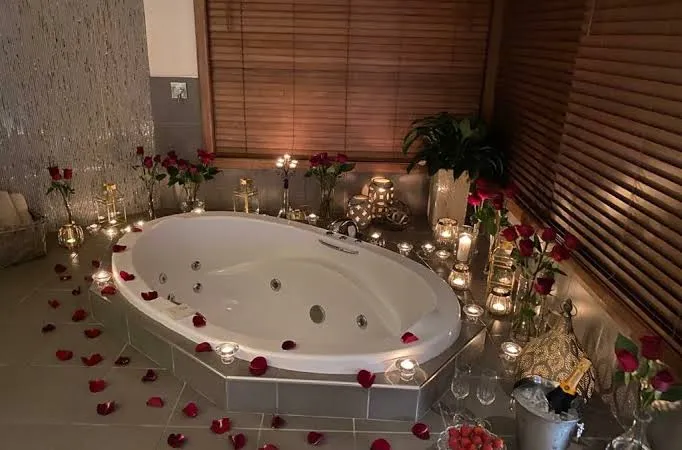
Detailed Real-World Scenarios
Scenario A: Tropical Overwater Villa Escape
A couple reserves an overwater villa in French Polynesia during the shoulder season.
Environmental Realities
High humidity, continuous salt spray, variable trade winds, and marine light reflections impact daily living conditions.
Architectural Decisions
Choosing between an open-air living pavilion and a fully enclosed climate-controlled room requires evaluating seasonal rain patterns.
Operational Failures
Selecting an open layout without storm louvers allows wind-driven rain to wet interior living areas during sudden tropical squalls.
Long-Term Adaptations
Guests store sensitive electronic gear inside sealed climate zones, using humidity-controlled sleeping quarters for deep rest.
Scenario B: Urban Penthouse Retreat
A honeymoon couple books a high-floor penthouse suite in Tokyo during winter.
Environmental Realities
Cold ambient air, low indoor humidity, structural wind sway, and city noise affect the stay.
Architectural Variations
Choosing between floor-to-ceiling glass facades and deep recessed window frames requires balancing daylight against cold glass drafts.
Operational Failures
Selecting an uninsulated perimeter suite creates cold radiant drafts near exterior glass walls, forcing the HVAC system to run constantly.
Long-Term Adaptations
Guests use secondary interior living spaces away from window edges, relying on humidifiers to balance dry indoor air.
Planning, Cost, and Resource Dynamics
Comprehensive Financial Outlay Analysis
Reserving premium suites requires evaluating expenses beyond advertised base rates. Complete budgeting factors in mandatory resort fees, local lodging taxes, airport transfers, and private dining delivery surcharges.
Expense Allocation Range
| Expense Category | Budget Allocation (%) | Standard Price Range (Per Night / Stay) | Key Cost Variables |
| Base Suite Rate | 65% – 75% | $1,200 – $5,000+ / night | Square footage, physical location, private pool mechanics |
| Resort & Facility Fees | 5% – 10% | $50 – $200 / day | Internet access, gym usage, non-motorized water equipment |
| Local Lodging Taxes | 10% – 15% | Variable by region | Regional lodging taxes, municipal conservation fees |
| Transfers & In-Suite Service | 8% – 12% | $250 – $1,000 / stay | Boat charters, helicopter transfers, room service fees |
Tools, Strategies, and Support Systems
Systematic Evaluation Methods
Selecting optimal accommodations requires using clear evaluation strategies rather than relying solely on promotional photos.
-
Satellite Floor-Plan Auditing: Cross-reference property floor plans with satellite images to verify sightlines from adjacent structures.
-
HVAC Loop Verification: Confirm whether suite climate controls operate independently or connect to centralized property loops.
-
Direct Placement Inquiry: Contact property teams to confirm suite locations relative to ice machines, elevators, and service doors.
-
Sun Path Mapping: Chart solar trajectories to ensure private terraces receive adequate sunlight throughout afternoon hours.
-
Acoustic Rating Verification: Inquire about Sound Transmission Class (STC) wall ratings in urban properties to guarantee sleep quality.
Risk Landscape and Failure Modes
Operational Risk Taxonomy
High-end accommodations present operational risks that can disrupt guest stays if unaddressed.
Governance, Maintenance, and Long-Term Adaptation
Property Quality Control Standards
Premier properties maintain strict preventive maintenance schedules to preserve suite infrastructure. Ocean air, continuous guest turnover, and heavy HVAC usage require ongoing upkeep.
Leading resorts schedule annual refurbishments. Maintenance teams re-seal exterior woodwork, service HVAC pumps, inspect plumbing seals, and replace worn soft furnishings to maintain quality standards.
Pre-Arrival Verification Checklist
Travelers should complete a structured checklist before committing to non-refundable lodging reservations.
-
Request written confirmation of the specific suite unit number and its location on the resort map.
-
Verify that private terrace areas feature no direct sightlines from adjacent balconies.
-
Ensure climate systems offer independent in-room temperature controls.
-
Confirm operating schedules for resort dining venues, spas, and transport options.
-
Request upper-level units if ground-floor suites border busy public walkways.
Measurement, Tracking, and Evaluation
Critical Quality Indicators
Evaluating accommodation quality requires tracking both objective spatial data and subjective comfort factors.
Real-World Verification Examples
-
Example 1: Acoustic Insulation Performance. Premier urban suites keep interior noise levels below 30 decibels, isolating rooms from heavy city traffic.
-
Example 2: Visual Seclusion Engineering. Well-designed resort terraces use angled screening, blocking viewports from neighboring rooms while preserving sea views.
-
Example 3: Climate Regulation Systems. High-performing suites utilize multi-stage air conditioning, keeping indoor humidity below 50% during heavy tropical rains.
Common Misconceptions and Oversimplifications
Myth 1: High Nightly Rates Guarantee Complete Privacy
Price does not always correlate with privacy. Expensive suites in dense resort towers often feature shared balcony views overlooking busy public swimming areas.
Myth 2: “Oceanfront” Means Direct Beach Access
Properties frequently market suites as oceanfront based on distant sea views, even when located on high cliffs far from physical beach access.
Myth 3: Larger Square Footage Always Delivers Superior Comfort
Poorly designed large suites with open layouts can feel cold and noisy. Well-partitioned smaller suites often provide superior comfort and acoustic isolation.
Ethical, Practical, and Contextual Considerations
Environmental Resource Management
Operating large luxury suites in fragile ecosystems presents environmental challenges. High energy consumption from air conditioning, private pool heating, and fresh water usage requires responsible resort management.
Top eco-conscious properties utilize solar arrays, advanced greywater treatment systems, low-flow plumbing fixtures, and locally sourced materials. Supporting environmentally responsible resorts helps preserve fragile destinations for the future.
Conclusion
Evaluating romantic honeymoon suite options requires moving past surface aesthetics to assess physical layouts, mechanical performance, and operational privacy. Analyzing floor-plan decoupling, sightline angles, climate controls, and hidden cost structures ensures a seamless stay. Thorough research guarantees your celebratory accommodation delivers quiet comfort, exceptional service, and lasting memories.