Compare Beachfront Honeymoon Suites: Analytical Evaluation and Booking Framework
Selecting an optimal coastal accommodation requires evaluating numerous factors that extend far beyond initial visual appeal. Travelers often rely on curated photographs that obscure functional limitations, structural vulnerabilities, and spatial compromises. Evaluating high-end oceanfront lodgings necessitates a rigorous approach to architectural design, environmental exposure, and property operations.
Coastal environments present unique engineering and microclimate challenges that directly impact everyday comfort. Varied topography, wind patterns, marine salt spray, and tidal movements shape the actual user experience within a private suite. A room positioned mere meters from the shoreline offers immediate access, yet it exposes occupants to external noise, humidity, and public sightlines.
Systematic evaluation requires assessing how different resort layouts isolate private quarters while maintaining unobstructed sightlines. Understanding trade-offs between elevated cliffside structures, overwater platforms, and ground-level dune villas allows travelers to align choices with personal priorities. The following structural breakdown establishes clear criteria for evaluating elite coastal lodging assets.
Understanding “Compare Beachfront Honeymoon Suites”
The directive to compare beachfront honeymoon suites demands an analytical framework rather than a simple feature count. Marketing materials frequently blur the distinction between direct beachfront access, elevated ocean views, and partial coastal sightlines. Evaluating these accommodations requires examining spatial placement, structural boundaries, and environmental realities.
Spatial Hierarchy and Terminology Standards
Hotels categorize rooms using ambiguous terminology that distorts expectations. True beachfront units sit directly on the coastal sand layer without intermediate service roads, guest footpaths, or public promenades.
Properties positioned on rocky outcrops or elevated dikes may offer visual proximity to marine environments, but they prevent immediate water access. Clarifying spatial boundaries prevents unexpected conflicts between visual expectation and physical accessibility.
Privacy Boundaries and Thermal Controls
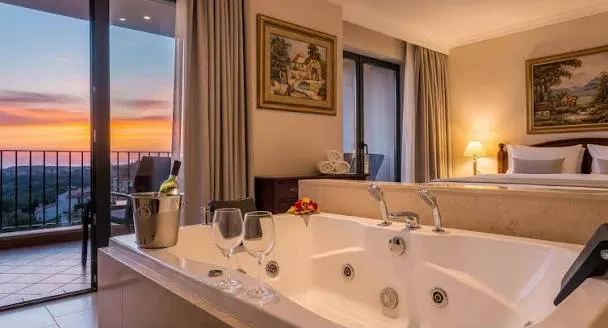
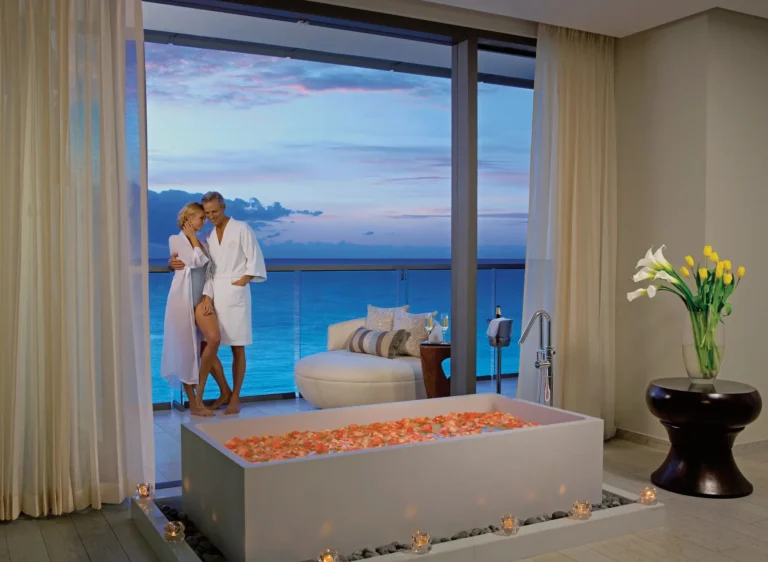
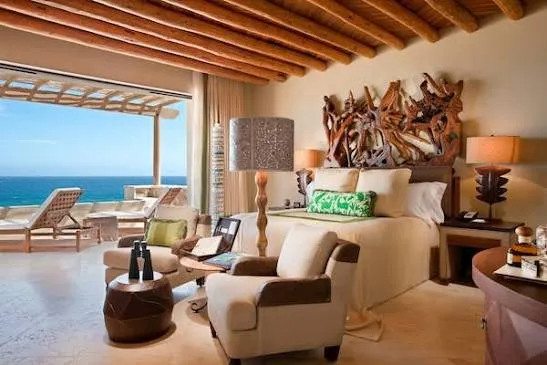
Architectural seclusion depends on structural geometry and landscape engineering rather than simple geographic isolation. Glazed walls offer expansive visual access to ocean horizons, yet they expose interior living quarters to nearby vantage points.
-
Visual Shielding: Structural fins, recessed balconies, and native plant buffers prevent unwanted intrusion from common areas.
-
Solar Heat Gain: Large glass facades facing west absorb substantial solar radiation, requiring continuous mechanical cooling.
-
Acoustic Buffer: High-decibel wave action creates persistent background sound that penetrates poorly insulated building envelopes.
Architectural Layouts and Acoustic Dynamics
Interior layout design dictates how effectively a suite balances natural light with atmospheric control. Open-concept floor plans synthesize outdoor terraces with master bedrooms, yet they introduce humidity and marine salt air into living spaces.
Partitioned suites utilize double-door vestibules and isolated bathroom zones to preserve indoor climate stability. Sound transmission through glass assemblies varies significantly based on glazing thickness and frame construction.
Deep Contextual Background and Architectural Evolution
High-end coastal hospitality transitioned through distinct structural paradigms over the past half-century. Early mid-century resorts favored high-density tower blocks that maximized room count along narrow ocean frontages.
Shifting Design Paradigms in Coastal Lodging
During the late twentieth century, master planners shifted toward low-impact, spread-out villa layouts. Developers recognized that high-value travelers sought spatial autonomy rather than centralized luxury amenities.
This transformation forced structural engineers to integrate private water features, outdoor rain showers, and expansive sun decks into individual building footprints.
Materials Engineering and Structural Durability
Operating luxury suites near salt water requires specialized construction materials and ongoing preventative maintenance. Traditional timber framing decays rapidly under continuous tropical humidity and marine insect activity.
Modern developments use reinforced concrete cores, treated hardwoods, marine-grade stainless steel hardware, and double-glazed solar control windows. These advanced materials preserve structural integrity while minimizing unexpected maintenance disruptions during guest stays.
Conceptual Frameworks and Mental Models
Systematic analysis relies on mental models that evaluate how environment, architectural design, and guest expectations interact.
The Exposure-Isolation Matrix
The Exposure-Isolation Matrix evaluates the balance between wide coastal vistas and personal seclusion. Properties that maximize sightlines toward the sea often reveal interior living areas to watercraft traffic or neighboring structures.
Balancing this matrix requires studying structural setbacks, directional louvers, and natural topographical contours. Strategic architectural choices protect private outdoor pools while maintaining clear views of the ocean.
The Microclimate Zoning Model
Coastal environments contain distinct microclimates across brief physical distances. Ambient air temperature, wind velocity, humidity levels, and salt spray shift dramatically between the water line and elevated inland ridges.
-
Direct Waterfront Zone: High humidity, maximum sound intensity, continuous salt air spray, direct beach access.
-
Tiered Mid-Dune Zone: Balanced wind exposure, reduced sound levels, elevated vantage point, partial sand buffer.
-
Elevated Cliff Zone: High wind shear, minimal humidity accumulation, maximum panoramic view, indirect water access.
Key Categories and Architectural Variations
Discerning travelers analyze several distinct suite architectures, each carrying explicit functional benefits and physical trade-offs.
Architectural Category Trade-Offs
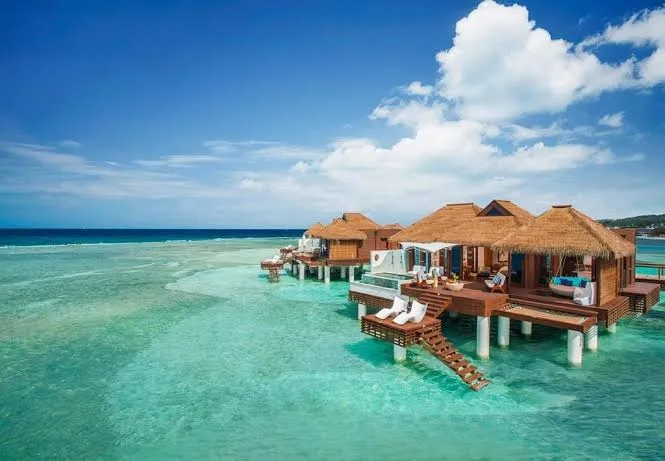
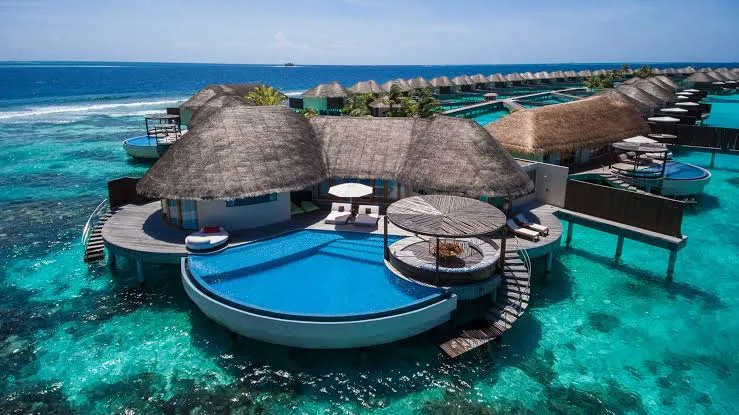
Overwater platforms offer immediate marine immersion, yet structural sound propagates easily through support pilings during rough seas. Coastal cliff villas provide total visual isolation and sweeping horizons, but they require funiculars or golf carts to reach the shore. Direct sand dune villas offer effortless beachfront access, yet windblown sand and beach traffic require continuous maintenance.
Analytical Selection Framework
-
Define whether direct marine access or total visual seclusion takes priority.
-
If water access is essential, evaluate ground-level dune villas with natural vegetation buffers.
-
If quiet privacy matters most, select cliffside structures set away from main thoroughfares.
Detailed Real-World Booking Scenarios
Scenario 1: Tidal Erosion and Infrastructure Exposure
A couple reserves an oceanfront villa based on imagery showing broad golden sand stretches. Severe winter storms cause coastal erosion, stripping the beach down to exposed bedrock and concrete retaining walls.
-
Constraint: Natural beach erosion varies by season, changing sand levels and access paths.
-
Failure Mode: Exposed support structures create hazardous access points and disrupt peaceful aesthetic views.
-
Resolution: Request recent property photographs and study seasonal shoreline shifting before booking.
Scenario 2: Acoustic Saturation in Low-Lying Villas
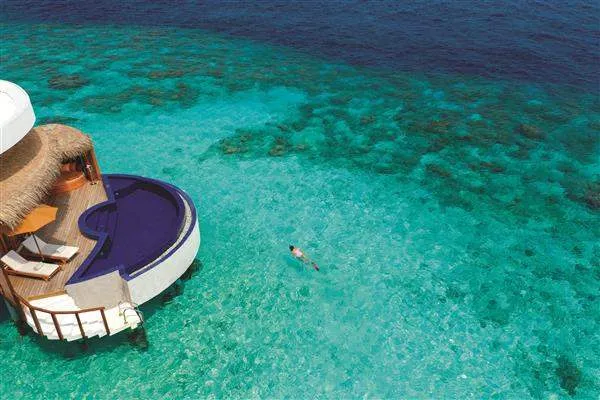
A couple books a luxury overwater suite located directly above a shallow reef flat. Daily ocean swells generate persistent high-decibel wave impact against structural support pillars.
-
Constraint: Low-frequency wave rumble transfers directly through rigid building frames.
-
Failure Mode: Persistent structural sound causes sleep disruption despite closed exterior windows.
-
Resolution: Choose suites situated inside protected coral lagoons rather than open ocean barrier reefs.
Planning, Cost, and Resource Dynamics
Evaluating luxury suites requires analyzing the full cost structure beyond baseline published room rates.
Pricing Variances Across Seasons
Rates shift dramatically based on seasonal weather patterns, regional holiday calendars, and marine migration cycles. Booking during shoulder seasons offers reasonable rates and lower guest density while retaining favorable weather conditions.
Indirect Costs and Transfer Logistics
Island destinations often require private boat charters or seaplane transfers that add thousands to an itinerary.
Mandatory resort fees, marine sanctuary conservation surcharges, and premium spa bookings increase overall financial commitments.
Tools, Strategies, and Selection Support Systems
A structured process allows travelers to analyze accommodations objectively rather than relying on promotional brochures.
Step 1: Satellite Topography Verification
Use high-resolution satellite tools to inspect real distance setbacks, nearby service docks, and public access roads. Ensure no public boardwalks or watercraft launch routes cross directly in front of private room terraces.
Step 2: Architectural Floor Plan Review
Request detailed floor plans to inspect structural wall thickness, window placements, and exterior deck screening. Verify that private splash pools feature architectural windbreaks or dense natural vegetation.
Step 3: Service Ratio Inquiries
Inquire directly about butler-to-guest ratios and staff access routes. Dedicated service teams should deliver attentive care without compromising personal privacy.
Risk Landscape and Failure Modes
Selecting high-end beachfront suites involves navigating physical, operational, and environmental risks.
Physical and Environmental Vulnerabilities
-
Shoreline Scour: Rapid sand loss can expose structural foundations and disrupt natural beach access paths.
-
Acoustic Intrusiveness: Continuous wave action can disrupt rest for sensitive guests over longer stays.
-
Solar Overheating: Glazed west-facing walls accumulate significant solar heat, straining air conditioning systems.
Operational and Privacy Deficiencies
Overwater suites built near primary access walkways experience foot-traffic noise from staff, service carts, and passing guests. Selecting suites positioned at the far ends of pier networks mitigates ambient noise disturbances.
Governance, Operational Standards, and Long-Term Adaptation
Evaluating properties requires reviewing operational policies, maintenance protocols, and environmental stewardship standards.
Structural Maintenance Standards
Saline sea air accelerates wear on timber decks, structural metals, and mechanical systems. High-performing properties execute rigorous multi-year maintenance plans to replace worn materials and update air conditioning systems.
Layered Pre-Booking Verification Checklist
To thorough travelers who compare beachfront honeymoon suites, systemic review demands methodical validation of physical claims before issuing non-refundable deposits:
-
Confirm real setback distances and room elevation above mean high-tide lines.
-
Review exact completion dates for structural and interior room updates.
-
Check spatial distance to shared swimming pools, service kitchens, and boat docks.
-
Confirm climate control capacities, emergency generator power, and window sealing specs.
-
Request written confirmation regarding private deck screening and visual isolation guarantees.
Measurement, Metrics, and Evaluation Standards
Travelers can assess suite quality using objective metrics instead of subjective guest reviews.
Qualitative vs. Quantitative Signals
-
Quantitative Metrics: Setback distance from high-tide line, usable terrace square footage, structural wall thickness, and interior ambient decibel levels.
-
Qualitative Signals: Visual privacy from public beaches, seamless indoor-outdoor transitions, and unobtrusive service integration.
Documentation Requirements
Examine architectural floor plans, engineering specifications, and satellite imagery to verify sightlines before confirming non-refundable reservations.
Common Misconceptions and Oversimplifications
Myth 1: Overwater Suites Always Guarantee Privacy
-
Correction: Overwater suites arranged along linear boardwalk piers leave outdoor decks visible to passing watercraft, maintenance staff, and neighboring guests.
Myth 2: Direct Sand Step-Out Ensures Exclusive Beach Use
-
Correction: Maritime access laws classify lower sand zones up to high-tide marks as public space in many countries, allowing non-guest foot traffic near private terraces.
Myth 3: High Elevation Provides Better Experience Profiles
-
Correction: Elevated cliffside accommodations deliver wide ocean views, but they expose guests to strong coastal wind gusts and restrict immediate water access.
Myth 4: Direct West-Facing Sunset Views Are Optimal
-
Correction: West-facing glass collects intense afternoon solar heat, placing significant burden on interior air conditioning units.
Myth 5: Larger Floor Plans Deliver Superior Lodging Value
-
Correction: Oversized room layouts without proper space planning can feel cold, while complicating efficient room climate control.
Myth 6: Private Plunge Pools Retain Warmth Automatically
-
Correction: Exterior plunge pools exposed to strong sea winds cool rapidly without heavy dedicated water heating systems.
Ethical, Environmental, and Practical Considerations
Building luxury accommodations along fragile marine coastlines introduces ongoing environmental challenges. Overwater piers can disrupt natural lagoon currents, damage coral reefs, and disturb marine ecosystems when built without strict environmental controls.
Responsible resorts implement targeted environmental practices to reduce operational footprints:
-
Advanced Desalination: Processing fresh water while managing concentrated brine output to protect coral reefs.
-
Turtle-Safe Exterior Lighting: Using low-wavelength, shielded outdoor fixtures to preserve sea turtle nesting grounds.
-
Suspended Pier Construction: Building suites on elevated pilings to maintain natural sand movement and protect coastal ecosystems.
Final Synthesis and Selection Judgment
Choosing an ideal coastal accommodation requires balancing architectural design, geographic placement, and operational standards.
By systematically evaluating structural sightlines, acoustic insulation, microclimate factors, and realistic maintenance schedules, travelers can select suites that offer deep comfort, total privacy, and exceptional coastal experiences.