Best Honeymoon Suites for Privacy: Exclusive Luxury Guide
Seclusion has become the ultimate luxury metric in high-end hospitality. Modern travelers increasingly prioritize absolute discretion over standard amenities like marble bathrooms or butler services. Standard marketing materials frequently promise complete isolation, yet the physical reality of a resort layout often tells a very different story.
Navigating the high-end travel market requires a critical eye toward spatial design, service delivery models, and geographical realities. Properties routinely advertise private plunge pools or secluded terraces that remain visible from adjacent villas or elevated public walkways. Achieving true sanctuary demands an understanding of how architectural density, topographic elevation, and service staff access intersect during a stay.
Evaluating accommodations for high-level seclusion involves analyzing micro-environments within luxury properties. This comprehensive guide examines the structural, operational, and financial dimensions of securing absolute isolation. Readers will gain actionable frameworks to evaluate property promises, navigate booking complexities, and ensure an undisturbed experience.
Understanding “Best Honeymoon Suites for Privacy”
Defining Architectural and Operational Seclusion
The phrase “best honeymoon suites for privacy” represents an operational standard rather than a simple subjective feeling. True privacy spans three distinct dimensions: visual, acoustic, and spatial isolation. Visual privacy prevents sightlines from guests, drone cameras, or passing watercraft into living areas and private pools. Acoustic privacy blocks ambient sound from neighboring structures, mechanical equipment, and high-traffic resort centers. Spatial privacy provides an expansive buffer zone, preventing accidental intrusions by hotel personnel or nearby travelers.
Common Misunderstandings in High-End Travel Marketing
Travelers often assume that high nightly rates guarantee complete isolation. However, luxury resorts frequently maximize land use by building units closely together. A suite advertised as a “secluded villa” may share a thin garden wall with a neighboring unit or sit directly below a public hiking trail.
Another misconception centers on service delivery. Premium accommodations often include dedicated butler service, which can inadvertently compromise solitude if staff movements are not structured around guest schedules.
Oversimplification Risks and Sightline Vulnerabilities
Relying solely on wide-angle promotional photographs creates significant risk. Lenses distort distances and obscure adjacent structures located just beyond the frame. Furthermore, seasonal vegetation shifts can alter visual screening. A lush tropical canopy depicted in promotional materials may offer far less coverage during dry seasons or following major storm systems.
Deep Contextual Background
The Historical Evolution of Luxury Seclusion
The architectural design of high-end lodging has shifted dramatically over the past half-century. Mid-twentieth-century luxury grand hotels emphasized communal social spaces, grand dining rooms, and centralized oceanfront promenades. Status was tied to being seen in high-profile public environments.
By the late twentieth century, the growth of international eco-tourism and boutique lodging shifted guest preferences toward personal sanctuaries. Development models began favoring low-density villa footprints over centralized multi-story towers.
Modern Spatial Paradigms
Today, luxury hospitality prioritizes self-contained residential units. Private infinity pools, dedicated dining pavilions, and in-suite spa facilities are now standard expectations in the upper-tier segment. However, expanding property footprints onto delicate coastlines and steep hillsides presents complex engineering challenges. Balancing environmental protection with complete structural isolation requires meticulous land design.
Conceptual Frameworks and Mental Models
The Sightline Vectors Model
Evaluating spatial privacy requires analyzing potential visual angles across a three-dimensional grid. Guests must assess potential sightlines from multiple vantage points:
-
Horizontal Vectors: Sightlines from adjacent villas, beach paths, or coastal watercraft.
-
Vertical-Down Vectors: Overlooking positions from elevated resort structures, hilltop restaurants, or hiking trails.
-
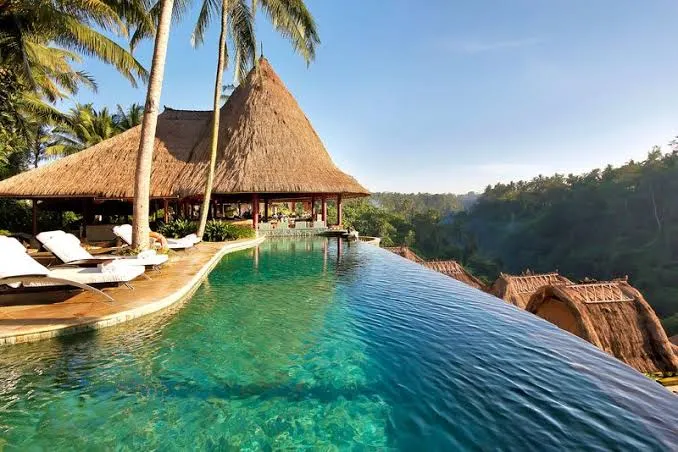
Vertical-Up Vectors: Sightlines from public beaches, lower terraced units, or boat channels toward raised infinity edges.
The Service Touchpoint Matrix
Service delivery models exist on a spectrum between constant physical presence and complete operational invisibility. High-friction environments involve frequent, unscheduled staff entries for housekeeping, minibar restocking, and pool maintenance. Low-friction setups use discreet service pass-throughs, scheduled maintenance windows, and silent digital communication tools to deliver hospitality without physical intrusion.
The Topographic Buffer Framework
Natural terrain provides superior long-term privacy compared to artificial barriers like fences or newly planted foliage. Natural rock formations, steep contours, and mature forest canopies create permanent visual and acoustic barriers. These structural elements cannot be compromised by wind, seasonal foliage changes, or physical decay.
Key Categories or Variations
Private Island Sanctuaries
Exclusive island retreats offer complete geographic separation. These properties control access across their entire landmass, preventing unscheduled visitors or external sightlines. However, coastal access regulations in certain jurisdictions may allow public watercraft to approach shorelines.
Overwater Bungalows and Ocean Sanctuaries
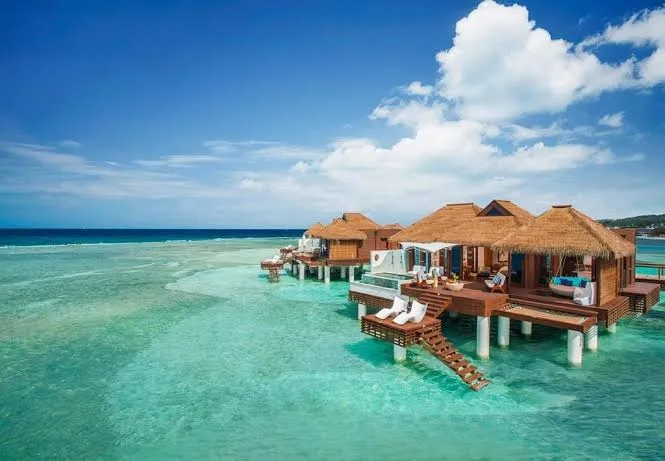
Overwater suites feature direct ocean access and expansive water views. Privacy levels vary significantly depending on the layout of the walkway network. End-of-jetty suites eliminate foot traffic, whereas interior units may sit directly across from neighboring boardwalks or boat routes.
Hillside and Cliffside Pavilions
Elevated structures use natural topography to block sightlines from lower units. These suites provide dramatic vistas alongside strong spatial separation. Terrain constraints, however, can make physical access challenging for guests with mobility preferences.
Deep Forest and Jungle Enclaves
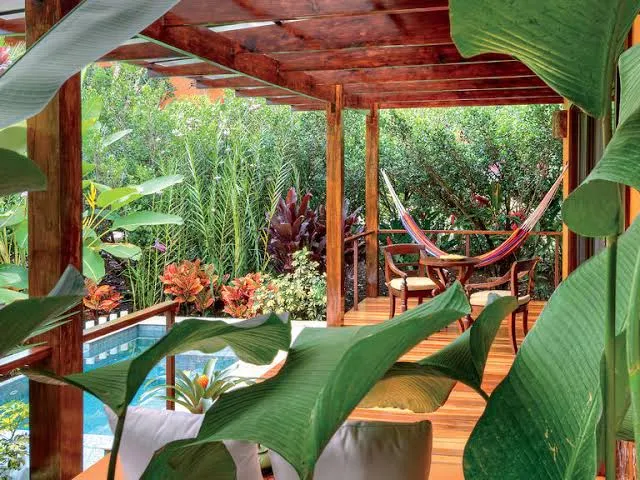
Jungle retreats use dense vegetation to create natural visual and acoustic buffers. These environments excel at blocking sound and light, though regional humidity and insect activity require rigorous structural seals.
Desert Oasis Villas
Desert retreats rely on vast spatial buffers rather than dense foliage. Massive parcel sizes prevent neighboring units from encroaching on living areas, though stark landscapes offer few natural overhead barriers against drone activity.
Historic Estates and Walled Compound Suites
Walled compounds utilize stone masonry and historical architectural boundaries to create internal sanctuaries. While external visual isolation is absolute, internal courtyard acoustics can echo if architectural surfaces lack sound-dampening materials.
Comparative Feature Analysis
Detailed Real-World Scenarios
Scenario A: The Overwater Boardwalk Layout
A luxury resort features twenty overwater villas positioned along a crescent-shaped wooden pier.
-
Structural Constraint: The outer villas feature ocean views, but swimming decks remain visible from passing dive boats.
-
Operational Risk: Housekeeping teams move along the central boardwalk throughout the morning, generating foot traffic outside bedroom windows.
-
Mitigation Strategy: Reserving the furthest villa at the end of the boardwalk eliminates foot traffic, while requesting specialized privacy blinds mitigates maritime sightlines.
Scenario B: The Cliffside Terraced Complex
A cliffside resort arranges suites across terraced layers overlooking a private bay.
-
Structural Constraint: Lower-tier suites suffer from vertical sightlines originating from upper-level restaurant decks.
-
Operational Risk: Sound carries upward from the central beach club, compromising acoustic privacy during afternoon hours.
-
Mitigation Strategy: Selecting top-tier corner suites eliminates vertical oversight, while choosing properties with strict noise policies preserves acoustic isolation.
Scenario C: The Coastal Island Reserve
A beachfront villa sits within a private island reserve subject to national coastal access laws.
-
Structural Constraint: Local maritime regulations permit public boats to anchor fifty meters offshore.
-
Operational Risk: Non-resort watercraft may compromise outdoor pool privacy during peak daylight hours.
-
Mitigation Strategy: Selecting accommodations with deeply recessed plunge pools behind solid architectural walls protects living areas regardless of offshore traffic.
Planning, Cost, and Resource Dynamics
Direct Financial Investments
Securing premium privacy metrics demands substantial capital expenditure. Structural isolation requires larger land allocations per key, driving up development and maintenance costs.
Indirect Costs and Operational Trade-offs
Choosing absolute isolation often introduces minor operational trade-offs. Deeply secluded suites require longer transit times for room service delivery, which can affect meal temperatures unless the property operates dedicated satellite kitchens.
Cost Profiles for High-Privacy Accommodations
Tools, Strategies, and Support Systems
Satellite Imagery Evaluation
Travelers should review high-resolution satellite imagery prior to booking. Satellite views reveal true structural spacing, adjacent roadways, and potential sightline compromises that standard marketing photos omit.
Direct Concierge Engagement Protocols
Engaging directly with resort management yields critical operational intelligence. Requesting specific suite numbers based on architectural orientation prevents unexpected assignments upon arrival.
Key Pre-Booking Verification Questions
-
Are plunge pools completely screened from upper-level resort structures?
-
What are the precise scheduled hours for grounds maintenance and pool cleaning?
-
Do local maritime laws permit public watercraft near private beach boundaries?
-
How are service visits coordinated for in-villa dining?
Risk Landscape and Failure Modes
Architectural Design Flaws
Architectural oversights represent a primary point of privacy failure. Common design errors include placing infinity pool edges directly above public walking paths or installing floor-to-ceiling glass without reflective privacy treatments.
Service Protocol Breakdown
Improperly trained staff can compromise privacy through unscheduled intrusions. Maintenance crews entering villa grounds without prior clearance undermine the isolation of high-tier suites.
Governance, Maintenance, and Long-Term Adaptation
Establishing In-Stay Boundaries
Guests should establish clear service preferences during check-in. Specifying precise servicing windows ensures housekeeping and maintenance activities occur only when guests are away from the suite.
Seasonal Adaptation Factors
Environmental conditions fluctuate throughout the year. Foliage density decreases during dry periods, potentially opening sightlines that remain hidden during rainy seasons. Evaluating seasonal weather patterns ensures natural privacy screens remain effective.
Measurement, Tracking, and Evaluation
Quantitative vs. Qualitative Seclusion Signals
-
Quantitative Metrics: Distance in meters to neighboring structures, decibel levels during peak hours, and daily service touchpoint counts.
-
Qualitative Metrics: Subjective sense of comfort, uninhibited outdoor mobility, and freedom from visual exposure.
Documentation Methods
Maintaining clear written correspondence with property reservation teams ensures specified privacy requirements are formally documented before arrival.
Common Misconceptions and Oversimplifications
Myth 1: Higher Cost Guarantees Better Privacy
Price reflects brand prestige, finish quality, and location, but not always spatial separation. High-density luxury towers can charge premium rates while offering limited seclusion.
Myth 2: “Oceanfront” Equals Fully Private
Oceanfront accommodations sit adjacent to coastal watercraft and public beach corridors, which can expose outdoor terraces to external view.
Myth 3: Private Pools Are Shielded from Sight
Many private plunge pools remain visible from elevated villas or higher public structures within terraced resorts.
Ethical, Practical, or Contextual Considerations
Environmental Impacts of Low-Density Resorts
Ultra-low-density luxury developments require extensive land footprints, which can fragment sensitive local ecosystems. Sustainable properties use elevated boardwalks and non-invasive foundations to minimize land disturbance.
Community Access Rights
Balancing resort privacy with local coastal access rights requires thoughtful management. High-end developments must respect community access pathways while maintaining secure private zones for guests.
Conclusion
Securing the best honeymoon suites for privacy requires rigorous research that goes far beyond standard promotional brochures. True isolation depends on a combination of intentional architectural design, favorable terrain, and disciplined operational protocols. By analyzing spatial sightlines, verifying service models, and engaging directly with resort management, travelers can confidently choose retreats that offer true sanctuary and undisturbed peace.