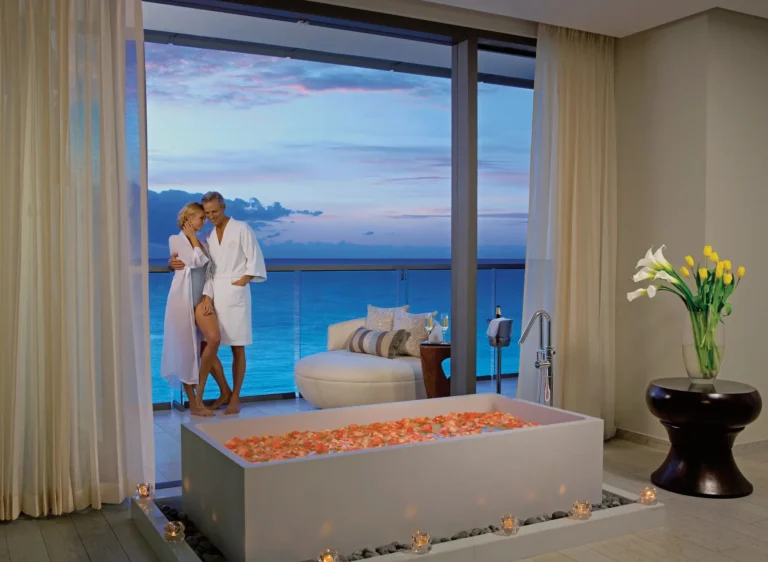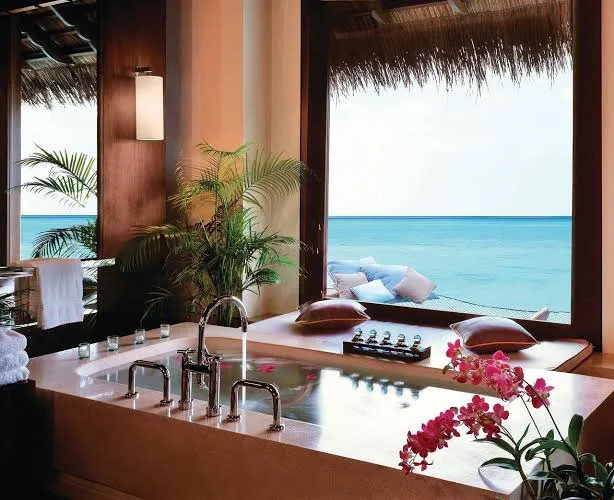
Top All Inclusive Honeymoon Suite Options: Complete Architectural & Financial Valuation
Navigating luxury hospitality demands rigorous evaluation of operational boundaries and rate models. Properties frequently market all-inclusive packages to guarantee cost predictability for celebrating travelers. These advertised listings often obscure structural exclusions, unbundled resort surcharges, and restrictions on premium culinary offerings. Travelers evaluating high-end accommodations must analyze physical room layouts alongside real inclusion boundaries to ensure true financial efficiency.
Complex All-Inclusive Dynamics
Modern resort revenue teams employ complex pricing structures to protect operating margins. While traditional models bundled basic buffets with standard accommodations, top-tier luxury estates unbundle specialized services. A property might advertise an all-inclusive stay while charging extra for private cabanas, premium wine cellars, or motorized water sports. Without precise auditing, couples risk paying high base rates while incurring substantial out-of-pocket operational costs.
Analytical Framework Scope
This comprehensive guide establishes an objective methodology for evaluating premium all-inclusive suites across global destinations. By dissecting room category layouts, culinary access limits, butler service structures, and fine-print contracts, travelers can maximize spatial and financial value. The following sections outline a clear framework for selecting luxury accommodations, ensuring that financial investments yield high physical, operational, and recreational standards.
Understanding “Top All Inclusive Honeymoon Suite Options”
Defining True Inclusive Boundaries
Evaluating top all inclusive honeymoon suite options requires deconstructing marketing promises to uncover true operational limits. Resorts frequently market all-inclusive rates while placing caps on high-value amenities.
Spatial and Structural Architectural Realities
Physical room architecture varies widely across luxury resorts. Properties often market open-plan studio units as suites, despite lacking physical walls to separate living quarters from sleeping areas.
Service Ratio Evaluation
Evaluating high-end suites requires analyzing staff-to-guest ratios, private plunge pool square footage, and dedicated butler availability to ensure service standards match expectations.
Deep Contextual Background
Evolution of Inclusive Hospitality
The all-inclusive travel model originated in the mid-twentieth century as a standardized, budget-conscious vacation concept. Early holiday camps offered fixed communal meals and simple accommodations under single upfront payments.
Transition to Ultra-Luxury Estates
During the 1990s, luxury resort developers re-engineered the inclusive framework to capture high-net-worth travelers. Large buffets were replaced by a la carte specialty restaurants led by acclaimed chefs.
Modern luxury estates now offer private pool villas, dedicated butler teams, and customized culinary menus within their primary rate structures. This shift eliminated traditional wristbands, establishing sophisticated operational models that deliver genuine cost predictability.
Conceptual Frameworks and Mental Models
1. The Net-Realized Inclusion Value Framework
This analytical framework evaluates total financial value by subtracting the market costs of included luxury dining, private transfers, and butler services from the gross nightly rate.
2. The Architectural Privacy Index
This model measures suite isolation by auditing private terrace sightlines, acoustic wall ratings, and distance from central resort facilities.
3. The Culinary Availability Vector
This framework evaluates dining accessibility by checking reservation limits, blackout dates, and surcharge policies on prime menu items.
Key Categories or Variations
Structural Suite Design Classifications
Luxury all-inclusive resorts utilize distinct architectural layouts to segment target market demographics across global coastal destinations.
| Category | Spatial Design Specs | Included Service Tier | Primary Operational Trade-Off |
| Overwater Private Plunge Villa | 1,200 – 2,500+ sq ft, direct lagoon access, glass floor panels | 24/7 dedicated butler, in-villa dining, premium bar stock | High wind exposure; longer walking distances to main facilities |
| Beachfront Infinity Pool Suite | 1,000 – 1,800 sq ft, direct sand footprint, outdoor rain shower | Dedicated concierge, beach cabana reservation | Lower acoustic isolation due to proximity to shared beach areas |
| Cliffside Ocean Panorama Estate | 1,500 – 3,000+ sq ft, elevated multi-level decks | Private chef access, dedicated vehicle, private butler | Steeper terrain access; reliance on resort buggy transport |
| Sanctuary Jungle Wellness Suite | 800 – 1,500 sq ft, private hydrotherapy pool, outdoor bath | Daily spa treatments, organic dining menu, yoga instructor | Distance from oceanfront activities; higher insect exposure |
| Club-Level Reserve Compound | 2,000 – 4,000+ sq ft, dual bedrooms, private garden | Personal butler, private lounge access, helicopter transfer | Higher base rate outlay; complex non-refundable deposit terms |
Detailed Real-World Scenarios
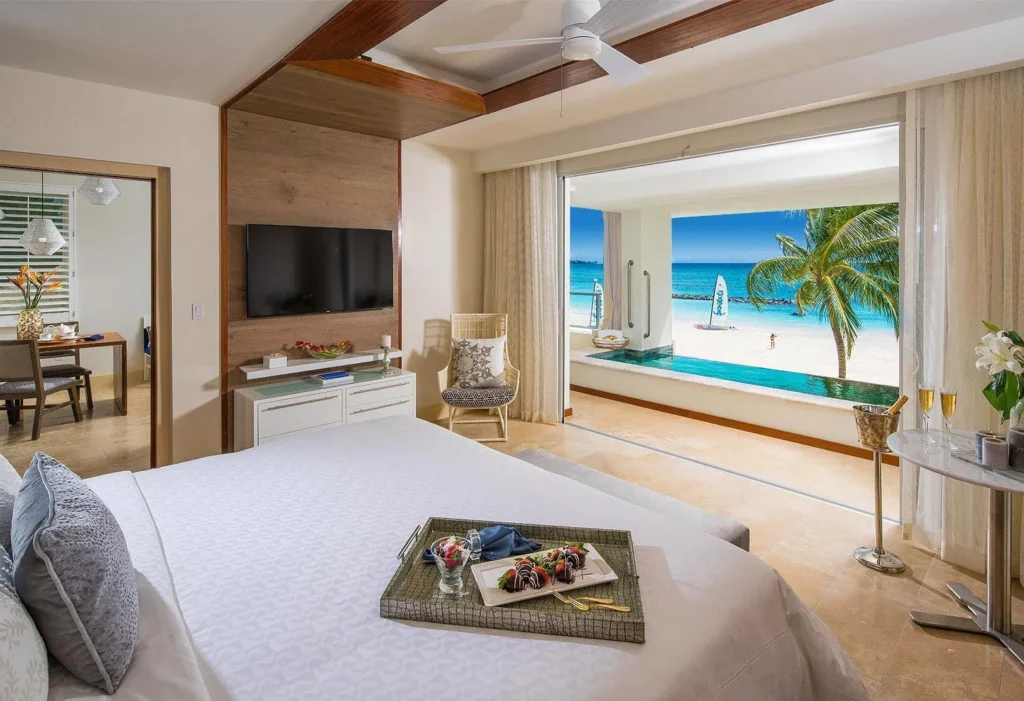
Scenario A: Caribbean Oceanfront Reserve Booking
A couple evaluates a beachfront pool suite at an all-inclusive resort in Antigua.
Environmental and Market Context
High seasonal demand during winter months drives occupancy rates up, prompting resorts to enforce strict minimum stay policies.
Inclusion Evaluation Decisions
The base inclusive package covers standard buffet options and house wines. The upgraded reserve package includes a la carte dining, top-shelf spirits, and private airport transfers.
Operational Risks
Selecting base inclusive tariffs risks out-of-pocket costs for premium dining and private transportation.
Long-Term Adjustations
Travelers lock in the upgraded reserve tariff, capping total vacation spend while securing guaranteed dining reservations.
Scenario B: Indonesian Eco-Luxury Villa Stay
A couple compares a cliffside infinity villa with a jungle wellness sanctuary suite in Bali.
Environmental and Market Context
Tropical microclimates bring periodic rain showers during shoulder seasons, making indoor living space and covered terraces critical factors.
Inclusion Evaluation Decisions
The cliffside villa package includes private buggy transportation and butler service. The jungle sanctuary package offers daily wellness massages and organic meals.
Operational Risks
Hillside estate layouts require steep stair navigation, which can prove inconvenient during heavy tropical rainstorms.
Long-Term Adjustations
Selecting the cliffside villa provides superior indoor living space and covered outdoor terraces, ensuring comfort during shifting weather patterns.
Planning, Cost, and Resource Dynamics
Comprehensive Budget Allocation
Evaluating top inclusive suites requires auditing auxiliary costs alongside published nightly rates. Regional lodging taxes, mandatory service fees, and private transfer charges increase final totals.
Expense Distribution Ranges
| Cost Component | Budget Allocation (%) | Standard Price Range (Per Night / Stay) | Key Pricing Variables |
| Base Inclusive Suite Tariff | 70% – 80% | $1,200 – $4,500+ / night | Room square footage, private pool size, butler service |
| Mandatory Service Charges | 8% – 12% | $80 – $250 / day | Staff gratuity pools, resort maintenance assessments |
| Regional Lodging Taxes | 5% – 10% | Variable by country | Municipal tourism levies, environmental protection taxes |
| Specialty Transfers & Spa | 5% – 8% | $300 – $1,500 / stay | Helicopter transfers, specialized wellness therapies |
Tools, Strategies, and Support Systems
Systematic Audit Methodologies
Travelers can utilize structured verification steps to audit complex resort packages before submitting deposits.
-
Calculate Net-Realized Rates: Add nightly tariffs, taxes, and mandatory fees, then subtract out-of-pocket dining costs to determine real spatial value.
-
Verify Floor Plan Architecture: Request physical floor plans to confirm true multi-room suites versus open-plan studio layouts.
-
Audit Dining Reservation Rules: Check whether a la carte dining requires advance booking windows or carries supplemental surcharges.
-
Inspect Butler Service Specs: Confirm whether butler service provides dedicated single-suite care or shared team support.
-
Review Cancellation Policy Fine Print: Verify refund deadlines, deposit loss terms, and date-change penalty rules.
Risk Landscape and Failure Modes
Promotional Risk Matrix
Ambiguous rate terms can lead to unexpected expenses if inclusions are not verified prior to arrival.
Governance, Maintenance, and Long-Term Adaptation
Hotel Rate Management Cycles
Luxury resort operators review pricing structures regularly to manage occupancy across peak, shoulder, and low seasons. Revenue managers monitor competitor rates, flight schedules, and booking speeds to adjust inclusion tiers.
Hotels update rate terms quarterly. Adjustments include shifting minimum stay requirements, modifying inclusive dining menus, and altering resort fee structures to maintain profit margins.
Pre-Booking Audit Checklist
Travelers should verify key operational details before placing non-refundable deposits on luxury suite packages.
-
Request written confirmation of physical wall separation between sleeping and living areas.
-
Confirm whether mandatory resort fees cover pool access, Wi-Fi, and fitness facilities.
-
Check whether included dining covers unlimited a la carte venues without daily caps.
-
Verify whether complimentary airport transfers utilize private vehicles.
-
Confirm whether private plunge pools feature dedicated water heating systems.
Measurement, Tracking, and Evaluation
Critical Evaluation Metrics
Evaluating inclusive suite packages requires tracking quantitative financial metrics alongside qualitative room features.
Real-World Audit Examples
-
Example 1: Net-Effective Cost Analysis. An advertised $2,000/night rate with $400 in included private dining and $200 in transfer value equals a net spatial accommodation cost of $1,400/night.
-
Example 2: Spatial Efficiency Ratio. A $1,800/night suite measuring 1,500 square feet ($1.20/sq ft) delivers greater spatial value than a $1,200 studio measuring 400 square feet ($3.00/sq ft).
-
Example 3: Culinary Inclusion Value. Unlimited access to top-tier a la carte venues saves $350 per couple daily compared to paying out-of-pocket at non-inclusive luxury resorts.
Common Misconceptions and Oversimplifications
Myth 1: All-Inclusive Rates Cover Every On-Site Expense
All-inclusive packages frequently exclude top-shelf spirits, private beach cabana rentals, spa treatments, and specialized motorized water sports.
Myth 2: Junior Suites Feature Private Separate Bedrooms
Junior suites generally consist of single, oversized rooms with integrated seating areas rather than true multi-room layouts divided by walls.
Myth 3: Butler Service Guarantees Dedicated Single-Suite Support
Butler service structures vary significantly across properties. Many resorts assign single butler teams to handle multiple guest suites simultaneously.
Ethical, Practical, or Contextual Considerations
Environmental Impact of Remote Luxury Resorts
Luxury all-inclusive estates in remote island ecosystems require substantial energy and freshwater resources. Private plunge pool filtration, high-capacity air conditioning, and coastal developments impact delicate marine habitats.
Eco-conscious resorts offset their environmental footprint by operating solar energy arrays, advanced desalination plants, low-flow plumbing, and farm-to-table culinary programs. Selecting eco-certified properties supports local conservation initiatives.
Conclusion
Selecting top all inclusive honeymoon suite options requires evaluating total net-effective costs, spatial layouts, dining accessibility, and contract terms rather than relying on surface-level marketing promises. Systematically auditing room floor plans, fee structures, and butler ratios ensures expectations align with reality. Objective financial analysis combined with thorough contract review allows travelers to choose luxury accommodations that deliver real comfort, high spatial quality, and lasting financial value.